

BP – Profit Surge Meets Debt Burden
The British oil company performed surprisingly well in the first quarter of 2026. Operating profit soared to USD 3.2 billion, more than double the previous quarter’s figure. The main drivers were the oil trading business, with an exceptional pre-tax profit of USD 3.2 billion, and significantly higher refining margins. Plant availability was also in the green at just under 96%. What looks like an all-around success at first glance, however, shows cracks upon closer inspection. This is because high profits are heavily dependent on one-off geopolitical factors rather than sustainable cost reductions.
Despite the spectacular figures, the balance sheet is in trouble. Net debt climbed to USD 25.3 billion. That is an increase of over USD 3 billion within three months. The reason is a massive build-up of working capital due to the higher price environment. The self-imposed target of USD 14–18 billion in debt by the end of 2027 is thus receding into the distance. No wonder, then, that BP has put its share buyback program on hold. The dividend of just over EUR 0.07 per share remains, but that is all for now. Income-oriented investors will have to be patient.
CEO Meg O’Neill, who has been in office since April, is radically shifting the strategy back toward oil and gas. Around 18 hydrogen projects have been scrapped, and USD 10 billion is now flowing into petrochemicals instead of green technologies. But shareholders are divided. At the annual general meeting, just under 20% voted against the re-election of the supervisory board chairman. Added to this is the geopolitical risk. BP’s recent share price surge is largely due to tensions in the Middle East. A ceasefire could quickly push oil prices down again. Anyone getting in now should be aware of both sides of the balance sheet. The stock is currently trading at EUR 6.646.
Zefiro Methane – Methane: A billion-dollar money pit that generates profits
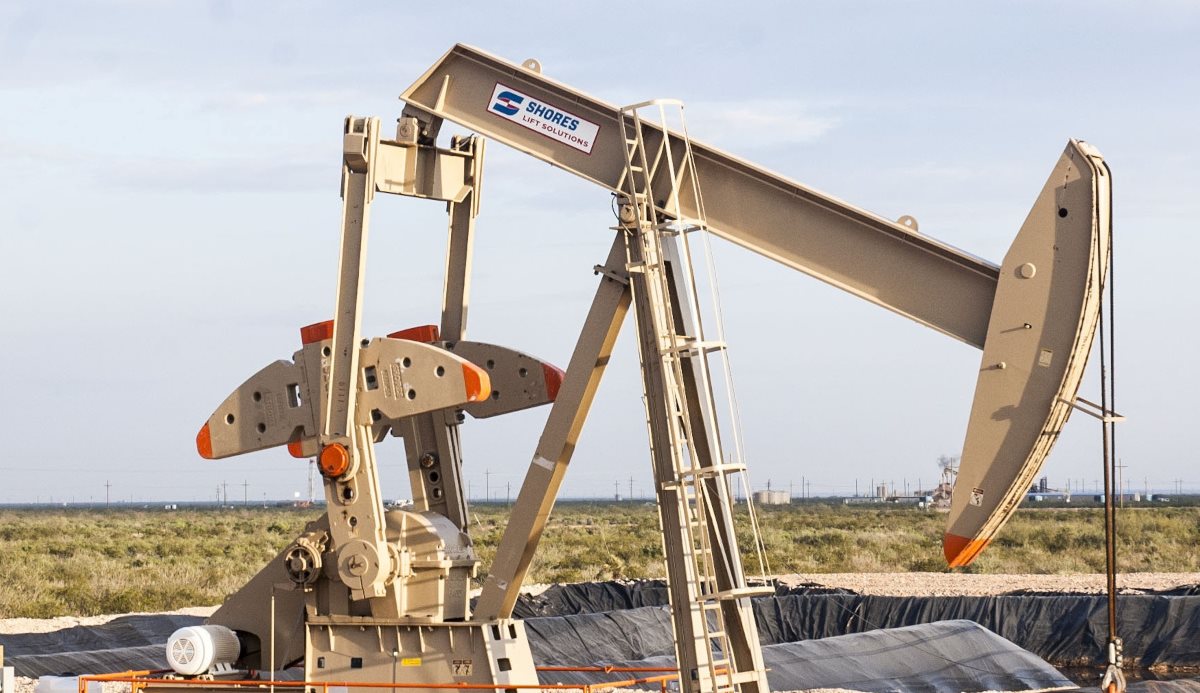
The US faces millions of abandoned or orphaned oil wells, many of which continue to emit methane into the atmosphere. The remediation costs? Estimates range between USD 400 billion and USD 600 billion. So far, only a fraction of that has been approved, and that across both parties—Democrats and Republicans alike. This is exactly where Zefiro Methane has positioned itself. The company not only plugs old wells but also measures emissions. A report from late April indicates that, following a USD 850,000 contract in West Virginia, the company is expected to receive a follow-up contract worth over USD 450,000 for measurements after the wells are plugged. The margin on these measurements is roughly twice that of standard plugging. Therefore, it makes sense to expand this business.
Shortly before that, Zefiro Methane reported its first revenue from a patented technology. It is a device that plugs leaky well casings from the inside, without the need for expensive repairs. Two customer projects in Pennsylvania have already been completed. This may sound like a niche market, but it is precisely these specialized tools that provide a real competitive edge. In addition, Zefiro is now expanding its methane monitoring operations to Pennsylvania. While the competition remains stuck in cold winter months, the team here is deliberately generating predictable revenue. They have brought along their own patent-pending measurement device for wellhead data. Thanks to these precise measurements, the company can generate CO₂ credits, which represent another source of revenue.
Financially, things are going well. In April, Zefiro closed a strategic financing round of CAD 4.5 million at CAD 0.48 with two European investors. This marked the company’s first infusion of fresh equity since its IPO two years ago. In the third quarter of 2026 (January through March), revenue increased by over 50% year-over-year to approximately USD 11 million. Since taking office in the summer of 2025, management has streamlined operations internally and ended costly experiments. The business is now focused and can be scaled to other states. The stage is set for a sustainable upswing. The stock is currently trading at CAD 0.56, above the offering price, which is a strong sign.

Shell – Ahead of Quarterly Results
Shell will report its first-quarter 2026 results on May 7. Analysts are forecasting earnings per share of around USD 1.86. The picture is mixed. The high Brent oil price of about USD 112 per barrel is significantly supporting upstream margins. At the same time, geopolitical conflicts and operational issues are dampening production. Shell already warned in April of impacts on working capital. CEO Sawan cites nearly 900 million barrels missing from the market since the crisis began. A shortfall that is being offset for now by drawing down inventories.
Regardless of quarterly fluctuations, Shell is pushing ahead with two major projects. First, the acquisition of Canadian gas producer ARC Resources for USD 16.4 billion. This provides access to shale gas in the Montney Formation and strengthens the LNG portfolio. Second, according to Reuters, Apollo, Blackstone, and KKR are vying for a stake in the LNG Canada project. The deal is expected to be worth USD 10–15 billion. This could free up capital for Shell. At the same time, investments remain disciplined at USD 20–22 billion annually. Costs are expected to drop by several billion by 2028. This is the long-term response to structural weaknesses.
The poor reserve base, with a remaining life of only 8 years, is Shell’s Achilles’ heel. This is precisely where the ARC acquisition comes in. It adds 2 billion barrels. UBS estimates the increase in recoverable potential at 33%. This improves the outlook for cash flow and dividends, even if the integration carries risks. Investors should understand this tension. High oil prices help in the short term, but in the long term, operational efficiency and strategic acquisitions are what count. Shell remains a value stock with clear energy price leverage. Those who can tolerate the geopolitical risks will find a solid return profile here. The stock is currently trading at EUR 38.36.
The oil industry generates cash flow in various ways. Geopolitical tensions are flooding BP’s coffers with substantial cash flows, but high debt and a radical strategic shift are putting the brakes on its rapid ascent. Zefiro Methane, as an agile specialist, is tapping into the billion-dollar business of leaky wells, driving strong revenue growth and developing patented technologies. Shell is leveraging high oil prices for the multi-billion-dollar acquisition of ARC Resources, but must address its weak reserve base.
Conflict of interest
Pursuant to §85 of the German Securities Trading Act (WpHG), we point out that Apaton Finance GmbH as well as partners, authors or employees of Apaton Finance GmbH (hereinafter referred to as “Relevant Persons”) currently hold or hold shares or other financial instruments of the aforementioned companies and speculate on their price developments. In this respect, they intend to sell or acquire shares or other financial instruments of the companies (hereinafter each referred to as a “Transaction”). Transactions may thereby influence the respective price of the shares or other financial instruments of the Company.
In this respect, there is a concrete conflict of interest in the reporting on the companies.
In addition, Apaton Finance GmbH is active in the context of the preparation and publication of the reporting in paid contractual relationships.
For this reason, there is also a concrete conflict of interest.
The above information on existing conflicts of interest applies to all types and forms of publication used by Apaton Finance GmbH for publications on companies.
Risk notice
Apaton Finance GmbH offers editors, agencies and companies the opportunity to publish commentaries, interviews, summaries, news and the like on news.financial. These contents are exclusively for the information of the readers and do not represent any call to action or recommendations, neither explicitly nor implicitly they are to be understood as an assurance of possible price developments. The contents do not replace individual expert investment advice and do not constitute an offer to sell the discussed share(s) or other financial instruments, nor an invitation to buy or sell such.
The content is expressly not a financial analysis, but a journalistic or advertising text. Readers or users who make investment decisions or carry out transactions on the basis of the information provided here do so entirely at their own risk. No contractual relationship is established between Apaton Finance GmbH and its readers or the users of its offers, as our information only refers to the company and not to the investment decision of the reader or user.
The acquisition of financial instruments involves high risks, which can lead to the total loss of the invested capital. The information published by Apaton Finance GmbH and its authors is based on careful research. Nevertheless, no liability is assumed for financial losses or a content-related guarantee for the topicality, correctness, appropriateness and completeness of the content provided here. Please also note our Terms of use.
Stockhouse does not provide investment advice or recommendations. All investment decisions should be made based on your own research and consultation with a registered investment professional. The issuer is solely responsible for the accuracy of the information contained herein. For full disclaimer information, please click here.