
- The United States and Iran are close to a temporary agreement that would extend the ceasefire and reopen negotiations, but key issues like Iran’s nuclear program remain unresolved
- The Strait of Hormuz has been the central pressure point, with disruptions cutting off up to one-fifth of global oil supply and driving energy prices sharply higher
- A potential deal would reopen the waterway, ease sanctions, and restore oil flows, offering short-term relief to markets and inflation
- Despite progress, risks remain high as the agreement is only a first step, and long-term geopolitical and energy market instability is likely to persist
The United States and Iran appear closer than at any point in recent months to transforming a fragile ceasefire into a broader political settlement—an outcome that could dramatically reshape global energy markets and investor sentiment after weeks of disruption centred on the Strait of Hormuz.
Yet beneath the optimism lies a reality investors cannot ignore: even a near-term agreement may not fully unwind one of the most consequential geopolitical shocks to global energy flows in decades.
A tentative path toward peace
After a conflict that began in late February 2026—triggering direct military confrontation and a near-collapse of energy shipping—the two countries are now discussing a memorandum of understanding (MoU) designed to extend the ceasefire and lay the groundwork for a longer-term deal.
U.S. President Donald Trump said over the May 23–24 weekend that a deal is “largely negotiated,” though final details remain unresolved.
The initial framework is expected to include:
- A 60-day ceasefire extension
- Steps toward reopening the Strait of Hormuz
- Limited sanctions relief for Iran in exchange for concessions
- Continued negotiations on Iran’s nuclear program at a later stage
Crucially, the MoU is not a final peace agreement. Instead, it serves as a confidence-building mechanism—a short-term stabilization tool that allows both sides to pause hostilities while deferring the most contentious issues, particularly nuclear enrichment.
This sequencing reflects political realities. Trump faces midterm elections later this year and has strong incentives to deliver stability and lower fuel prices, while Iran’s economy—strained by sanctions and blocked oil exports—needs immediate relief.
This article is a journalistic opinion piece that has been written based on independent research. It is intended to inform investors and should not be taken as a recommendation or financial advice.
Hormuz: the epicentre of the crisis
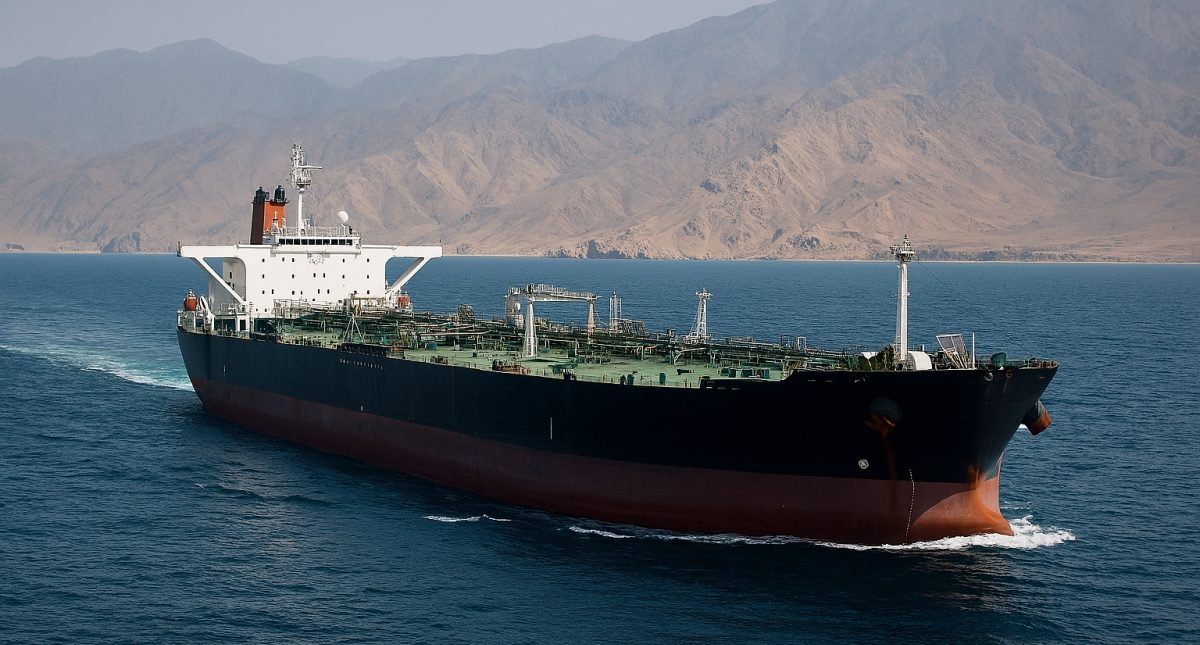
At the heart of negotiations lies the Strait of Hormuz—a narrow waterway that has become the single most important lever in the conflict.
Under normal conditions:
- Roughly 20 million barrels of oil per day pass through the strait
- That represents about 20 per cent of global oil supply and up to 25 per cent of seaborne oil trade
Since the escalation in February, Iran’s actions—ranging from mining sea lanes to restricting shipping—have choked off traffic and triggered a historic supply shock.
Shipping volumes at one point fell by more than 90 per cent, effectively halting one of the world’s most critical energy corridors.
The consequences have been immediate and severe:
- Oil prices briefly surged above US$100 per barrel
- Producers cut output due to a lack of export capacity
- Global supply chains—especially in Asia—faced disruptions
In essence, Hormuz has functioned as both a military chokepoint and a financial weapon, amplifying the economic impact far beyond the battlefield.
What the proposed agreement means for markets
The proposed reopening of the Strait of Hormuz is the single most market-sensitive element of the MoU.
Under the current draft:
- Iran would clear mines and allow unrestricted passage
- The U.S. would lift its blockade and ease sanctions, enabling Iranian oil exports
- Shipping could resume without tolls or restrictions during the ceasefire period
If fully implemented, this would likely trigger:
1. Immediate oil price relief
Markets price energy globally, meaning even partial restoration of supply could pull oil prices lower. However, analysts caution that prices may remain elevated due to lingering disruptions and risk premiums.
2. A “risk-on” rotation
Equities—especially cyclical sectors—could rally as recession fears tied to energy shocks ease. Investors may rotate out of defensive assets like bonds and into growth-sensitive sectors.
3. Reversal of inflationary pressure
Lower energy costs would ease global inflation, giving central banks more flexibility after months of tightening expectations driven by the conflict.
Why the risk is far from over
Despite progress, investors should not interpret a memorandum of understanding as a definitive resolution.
Several major uncertainties remain:
Unresolved nuclear negotiations
Key disagreements over Iran’s nuclear program have been deliberately postponed, meaning the most difficult issues are still ahead.
Fragile enforcement mechanisms
The proposed deal relies on phased concessions—raising the risk of breakdown if either side perceives non-compliance.
Structural shifts in global energy
Even if Hormuz reopens, the crisis has already triggered long-term changes:
- Countries are accelerating alternative pipeline routes
- Companies are diversifying supply chains
- Insurers and shippers are pricing in higher geopolitical risk
Moody’s and other analysts now warn that Hormuz disruption may evolve from a temporary shock into a lasting structural risk for global markets.
The investor takeaway
The emerging U.S.–Iran agreement represents a potential inflection point—but not a resolution.
For investors, three key themes dominate:
1. Energy volatility remains structural
Even with a deal, oil markets are unlikely to return to pre-conflict stability quickly, with supply chains still adjusting.
2. Geopolitical risk premium is here to stay
The conflict has demonstrated how quickly a single chokepoint can disrupt global trade—an insight markets will not forget.
3. Watch Hormuz, not headlines
While diplomatic progress matters, the true signal for markets will be physical shipping flows through the Strait—the clearest indicator of whether stability is real or temporary.
Bottom line
The memorandum of understanding under negotiation is best viewed as a pause, not a peace.
It may reopen the world’s most critical energy artery and stabilize markets in the short term. But for investors, the Hormuz crisis has already reshaped how geopolitical risk is priced—and that shift will likely outlast any single agreement.
Join the discussion: Find out what the Bullboards are saying about oil and gas, and check out Stockhouse’s stock forums and message boards.