
Strategy: Further Expanding Its Bitcoin Holdings
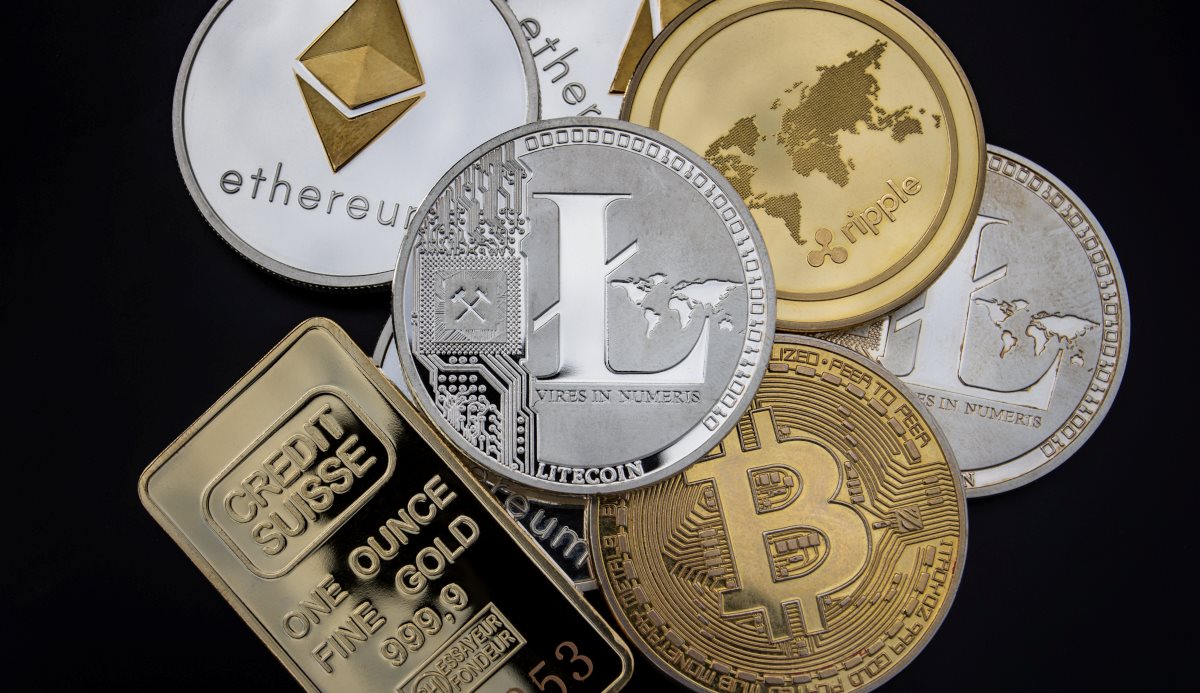
Strategy recently made headlines with a USD 2 billion convertible senior note offering. Using the proceeds, the company acquired an additional 20,356 BTC, further strengthening its position as the world’s largest corporate Bitcoin holder.
At the same time, management has begun placing greater emphasis on liquidity. Of the proceeds from recent share sales, only around one-tenth was reinvested in Bitcoin, while the company’s cash position increased to approximately USD 1.4 billion. This liquidity buffer is intended to ensure that ongoing payment obligations and interest payments can be met without having to sell meaningful amounts of the cryptocurrency during periods of market volatility. Earlier this year, the company was already forced to sell a small amount of BTC to cover expenses.
Financial experts view the company’s financial situation critically. Analyses by CryptoQuant analysts show a decline in available cash reserves of just under 40% this year. The analysts estimate that current liquidity is sufficient for just over a year to meet annual dividend obligations totaling USD 1.2 billion. They therefore recommend that management refrain from acquiring any further digital currencies for the time being and instead increase cash reserves to UDS 2.8 billion.
Compounding the problem is that the value of the preferred stock has fallen significantly below its issue price, hindering future capital-raising efforts via the stock market. Investor opinions are fundamentally divided. Some view the company as an indirect, credit-financed investment vehicle for the crypto market. Critics, however, point to significant refinancing risks arising from fluctuations in the value of digital assets and temporary book losses amounting to billions. In light of a further decline in Bitcoin’s price, investors should hold off on investing in Strategy for the time being.
DRC Gold: A Smart Move
DRC Gold announced a major milestone in the expansion of its gold platform in the Democratic Republic of the Congo. With the issuance of 25 million shares at CAD 0.195, the company took the first step toward acquiring up to a 65% stake in each of the Giro and Nizi Gold projects. The transaction brings the company closer to gaining control of two promising deposits and lays the foundation for building one of the most exciting gold exploration companies in East Africa.
The focus is on the approximately 497 km² Giro project in the Kilo-Moto greenstone belt, one of Africa’s most productive gold regions. Historical resource estimates put the gold inventory at more than 4.3 million ounces. It is noteworthy that these estimates date back to a time when the gold price was around USD 1,100 per ounce. Today’s price levels significantly improve the economic prospects. In addition, the deposit is suitable for open-pit mining, and metallurgical studies indicate gold recovery rates exceeding 90%.
The Nizi project also offers enormous potential. The historic mine was already producing high-grade gold, with ore grades up to 15 g/t, around 100 years ago. However, large parts of the area have hardly been explored using modern methods since then.
Another major advantage is the experienced management team led by Klaus Eckhof, who played a key role in the discovery of the world-class Kibali deposit. At the same time, DRC Gold is working to convert the historical resources to the international NI 43-101 standard, thereby laying the groundwork for the next stages of development.
With a current market capitalization of only about CAD 27 million, DRC Gold continues to appear undervalued relative to its historical resource potential. The stated goal of expanding the gold base to 6-7 million ounces over the next two years could unlock significant revaluation potential if achieved.
Rheinmetall Continues to Plunge: What Analysts Are Saying
Until early last week, Rheinmetall was considered a beneficiary of Europe’s rearmament drive. Now, the defense contractor is seeing a sharp decline in its market value. This development was triggered by the cancellation of a major project for the German government involving the construction of F-126 class frigates. The announcement led to a drop in the share price of around 20%. As a result, the company’s total market value fell by an estimated EUR 10 billion, leaving its remaining market capitalization at around EUR 44 billion.
The negative impact on the stock markets was also felt in the personal lives of the company’s management, as the cancellation was made public at an inopportune time. CEO Armin Papperger had invested a substantial amount of his own funds in the company shortly before news of the cancelled naval contract became public. At the beginning of the week, he purchased shares worth approximately EUR 4 million through an investment company. Due to the immediate drop in the share price on Wednesday, this personal investment incurred significant book losses in the seven-figure range within just two days.
Despite the sharp drop in the share price, analysts view the group’s situation with relative calm. According to assessments by banks such as DZ Bank, the decline in market capitalization is disproportionate to the actual financial losses. The lost operating revenue from the project is estimated at approximately EUR 1.5 billion, which would have been spread out over several years. The group’s fundamental economic foundation is therefore still considered stable.
Research firms responded by adjusting their forecasts. Jefferies revised its 2030 revenue forecast downward and now projects it to be 20% below management’s targets. The price target was adjusted from EUR 1,890 to EUR 1,300, while DZ Bank reduced its target price from EUR 2,188 to EUR 1,705. However, both institutions are maintaining their general “Buy” recommendations, as they view the price drop as a market overreaction.
Strategy remains a highly speculative bet on Bitcoin and is likely to come under significant pressure if prices continue to fall. DRC Gold, on the other hand, is focused on expanding its promising gold portfolio, which has considerable exploration potential and is undervalued. Following the sharp price decline, Rheinmetall could once again become more attractive to long-term investors—despite short-term setbacks—provided that the fundamental growth drivers remain intact.
Conflict of interest
Pursuant to §85 of the German Securities Trading Act (WpHG), we point out that Apaton Finance GmbH as well as partners, authors or employees of Apaton Finance GmbH (hereinafter referred to as “Relevant Persons”) may hold shares or other financial instruments of the aforementioned companies in the future or may bet on rising or falling prices and thus a conflict of interest may arise in the future. The Relevant Persons reserve the right to buy or sell shares or other financial instruments of the Company at any time (hereinafter each a “Transaction”). Transactions may, under certain circumstances, influence the respective price of the shares or other financial instruments of the Company.
In addition, Apaton Finance GmbH is active in the context of the preparation and publication of the reporting in paid contractual relationships.
For this reason, there is a concrete conflict of interest.
The above information on existing conflicts of interest applies to all types and forms of publication used by Apaton Finance GmbH for publications on companies.
Risk notice
Apaton Finance GmbH offers editors, agencies and companies the opportunity to publish commentaries, interviews, summaries, news and the like on news.financial. These contents are exclusively for the information of the readers and do not represent any call to action or recommendations, neither explicitly nor implicitly they are to be understood as an assurance of possible price developments. The contents do not replace individual expert investment advice and do not constitute an offer to sell the discussed share(s) or other financial instruments, nor an invitation to buy or sell such.
The content is expressly not a financial analysis, but a journalistic or advertising text. Readers or users who make investment decisions or carry out transactions on the basis of the information provided here do so entirely at their own risk. No contractual relationship is established between Apaton Finance GmbH and its readers or the users of its offers, as our information only refers to the company and not to the investment decision of the reader or user.
The acquisition of financial instruments involves high risks, which can lead to the total loss of the invested capital. The information published by Apaton Finance GmbH and its authors is based on careful research. Nevertheless, no liability is assumed for financial losses or a content-related guarantee for the topicality, correctness, appropriateness and completeness of the content provided here. Please also note our Terms of use.
Stockhouse does not provide investment advice or recommendations. All investment decisions should be made based on your own research and consultation with a registered investment professional. The issuer is solely responsible for the accuracy of the information contained herein. For full disclaimer information, please click here.