


- Rising demand from AI, electric vehicles, and industrial electrification is making electricity increasingly vital to global economic growth
- Utilities, grid operators, and power infrastructure companies may benefit from decades of investment in electricity generation and distribution
- Nuclear energy, transmission networks, and critical minerals are emerging as key enablers of a more electrified economy
- Rather than fully replacing oil, electricity is becoming a parallel strategic resource with growing economic and geopolitical importance
As artificial intelligence, electric vehicles, and industrial electrification drive surging power demand, investors are beginning to ask a provocative question: Could electricity become the 21st century’s most important commodity?
For more than a century, oil has occupied a unique position in the global economy. It has fueled transportation, powered industries, shaped geopolitical alliances, and generated vast fortunes for nations and investors alike. Entire economies have risen around its production, while global markets have often moved at the whim of oil prices.
But a major shift may already be happening.
The rise of artificial intelligence, data centres, electric vehicles, renewable energy, and advanced manufacturing is dramatically increasing the world’s demand for electricity. At the same time, governments and corporations are pursuing electrification as a central pillar of economic and climate policy.
As power consumption accelerates, investors are increasingly examining whether electricity could become the world’s next strategic commodity, rivalling oil in both economic importance and geopolitical influence.
While oil is unlikely to disappear anytime soon, the balance of power may be shifting toward those who can generate, distribute, and manage the electricity needed to power the modern economy.
This article is a journalistic opinion piece that has been written based on independent research. It is intended to inform investors and should not be taken as a recommendation or financial advice.
The age of electrification
The global economy is becoming increasingly electric.
Electric vehicles continue to gain market share in many regions. Industrial facilities are replacing fossil-fuel-powered equipment with electric alternatives. Buildings are adopting heat pumps and electric heating systems. Meanwhile, the rapid expansion of cloud computing and artificial intelligence is creating entirely new sources of energy demand.
Perhaps nowhere is this more evident than in the AI sector.
Large-scale AI models require enormous computational resources, and those resources require enormous amounts of electricity. Data centres, once considered niche infrastructure assets, are becoming some of the world’s largest electricity consumers.
What began as an environmental transition is increasingly becoming an economic necessity.
The result is a growing recognition that access to reliable electricity may become one of the defining competitive advantages of the coming decades.
Why electricity is different
Comparing electricity to oil is not straightforward.
Oil is a globally traded commodity that can be shipped across oceans, stored in strategic reserves, and bought and sold continuously through international markets.
Electricity, by contrast, is largely consumed the moment it is produced. It requires extensive transmission networks, regional power markets, and sophisticated balancing systems to ensure supply meets demand.
Yet this difference may actually increase its strategic value.
A nation can import oil from halfway around the world. Reliable electricity, however, depends heavily on domestic infrastructure, generation capacity, grid resilience, and energy security.
This means countries cannot simply purchase their way out of electricity shortages. They must build and maintain the infrastructure required to produce and deliver power.
In a more electrified economy, the ownership and control of energy infrastructure may become as strategically important as ownership of oil reserves once was.

The new energy arms race
Historically, energy competition centred on oil fields and pipelines.
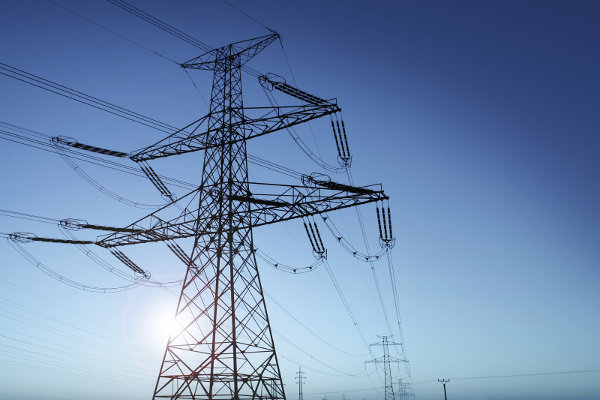
Today, competition increasingly revolves around power generation, transmission capacity, battery storage, and critical minerals.
Countries around the world are investing heavily in:
- Power grids
- Renewable energy projects
- Nuclear facilities
- Battery storage systems
- Transmission infrastructure
- Semiconductor manufacturing
The motivation extends beyond environmental goals.
Reliable electricity has become essential for national security, economic growth, technological leadership, and industrial competitiveness. Nations that can provide abundant, low-cost power are likely to enjoy significant advantages in attracting investment and supporting domestic industries.
This competition has the potential to reshape global capital flows for decades.
Utilities are no longer boring
For much of modern investing history, utility companies were viewed primarily as defensive investments.
They offered stable cash flows, regulated earnings, and modest dividend growth. Investors often owned utilities for income rather than growth.
That perception may be evolving.
Rising electricity demand from AI infrastructure, electric transportation, and industrial electrification is creating growth opportunities that many utilities have not experienced in decades.
Utilities are now finding themselves at the centre of some of the world’s most important economic trends.
Power producers that can expand generation capacity, modernize grids, and support large-scale industrial customers may benefit from a prolonged period of capital investment and rising demand.
While utilities still face regulatory constraints, they increasingly resemble infrastructure growth stories rather than purely defensive assets.
The hidden winners
Investors seeking exposure to rising electricity demand may find opportunities beyond power producers.
Transmission infrastructure companies stand to benefit from grid expansion projects needed to connect new energy sources with population centres.
Engineering and construction firms may see increased demand as governments and corporations invest billions in energy infrastructure.
Equipment manufacturers supplying transformers, switchgear, transmission components, and grid management technologies could also experience strong long-term demand.
Meanwhile, data centre operators may become some of the largest indirect beneficiaries of the electrification trend.
As electricity becomes more critical to economic activity, the businesses responsible for managing and consuming vast amounts of power may gain strategic importance.
Nuclear energy’s second act
One of the most surprising developments in the electricity story is the renewed interest in nuclear power.
For years, many countries scaled back nuclear ambitions due to cost concerns, political opposition, and competition from other energy sources.
Today, attitudes are changing.
Governments and corporations increasingly view nuclear energy as a reliable source of carbon-free baseload power capable of supporting growing electricity demand. Unlike wind and solar, nuclear facilities can generate power continuously regardless of weather conditions.
The combination of AI-driven demand growth and decarbonization goals has led some investors to revisit nuclear-related opportunities, including uranium producers, reactor developers, and utility companies operating nuclear assets.
While challenges remain, nuclear power has reemerged as an important part of many long-term electricity strategies.
The geopolitics of power
Energy security has always influenced geopolitics.
In the past, the focus often centred on access to oil and natural gas. In the future, access to electricity and the resources needed to generate it may play a similarly important role.
Critical minerals such as copper, lithium, uranium, and rare earth elements are becoming increasingly important as nations expand electrical infrastructure and battery capacity.
Countries with abundant energy resources and robust electricity networks may gain strategic advantages, while those facing persistent power shortages could struggle to remain competitive.
Investors who understand these shifts may uncover opportunities in regions positioned to become the energy hubs of the future.
Risks to the thesis
The transition from an oil-dominated world to a more electrified one will not occur overnight.
Oil remains deeply embedded in transportation, aviation, petrochemicals, and industrial activity. Global demand is unlikely to disappear anytime soon.
Electricity infrastructure projects also require enormous capital investments and often face regulatory hurdles, permitting delays, and political opposition.
Additionally, advances in energy efficiency could slow demand growth in some sectors.
Investors should therefore avoid viewing electrification as a simple replacement story. Rather than electricity completely replacing oil, the more likely scenario is that electricity becomes an increasingly important parallel pillar of the global economy.
You’ve got the power ….
The 20th century was shaped by the rise of oil.
The 21st century may be defined by the availability of electricity.
Artificial intelligence, electric vehicles, advanced manufacturing, and digital infrastructure are all increasing society’s dependence on abundant, reliable power. As a result, electricity is evolving from a utility service into a strategic economic resource.
For investors, the opportunity extends far beyond traditional utility stocks. Power producers, grid operators, infrastructure developers, equipment manufacturers, nuclear energy companies, and critical mineral suppliers all stand to benefit from a world that runs increasingly on electrons rather than barrels.
Oil may remain essential for years to come. But if the world’s most valuable commodity is ultimately defined by what powers economic growth, electricity’s claim to the title has never been stronger.
Join the discussion: Find out what the Bullboards are saying about regulated electric stocks and check out Stockhouse’s stock forums and message boards.