

- Heart disease disproportionately affects Medicaid recipients, Medicare beneficiaries, rural residents, and lower-income populations
- Limited access to healthcare, transportation, healthy food, and preventive services contributes to poorer cardiovascular outcomes
- Experts say reducing heart health disparities requires community-specific solutions that combine care access, education, and ongoing support
- CVS Health stock (NYSE:CVS) opened trading at US$94.00
Heart disease remains the leading cause of death in the United States, but its impact is not felt equally across all populations, according to healthcare experts and data on cardiovascular health disparities.
Cardiovascular disease (CVD) continues to place a heavier burden on historically underserved communities, where barriers to healthcare access, socioeconomic challenges, and limited preventive resources contribute to higher rates of illness and poorer health outcomes.
Research shows that publicly insured populations are among the groups most affected. Approximately 28 per cent of adults enrolled in Medicaid are living with cardiovascular disease, while an estimated 42 per cent of Medicare beneficiaries have at least one heart-related condition. Rural communities also experience significantly higher rates of heart disease, with prevalence estimated to be 40 per cent greater than in urban areas. In addition, heart disease risk factors have continued to rise among lower-income populations even as they decline among higher-income groups.
This article is a journalistic opinion piece that has been written based on independent research. It is intended to inform investors and should not be taken as a recommendation or financial advice.
“Addressing variations in heart health requires population-specific solutions that address the distinct needs and challenges faced by people in the different communities we serve,” Dr. Ayo Gathing, deputy chief health engagement and access officer at CVS Health (NYSE:CVS), explained in a media release.
Access to care remains a key challenge
Healthcare professionals point to limited access to medical services as a major factor behind cardiovascular health disparities. Many underserved communities face shortages of primary care providers, specialists, preventive screening opportunities, and pharmacies.
These gaps can lead to delayed diagnoses and inconsistent management of chronic conditions that increase the risk of heart disease. Beyond healthcare access, communities may also encounter challenges related to transportation, food security, and opportunities for physical activity, all of which can influence cardiovascular health.
Experts note that social determinants of health play a critical role in both preventing and managing heart disease. Addressing those factors alongside clinical care is increasingly viewed as necessary to improve long-term outcomes.
Engagement and education also play a role
Health experts say expanding access to services alone may not be sufficient. Patient engagement, health education, and ongoing support can be important components of effective heart disease prevention and management strategies.
“Beyond providing excellent care, keeping people engaged in their health and providing advice on lifestyle management can help many people with and at risk of heart disease live long, active lives,” Gathing said.
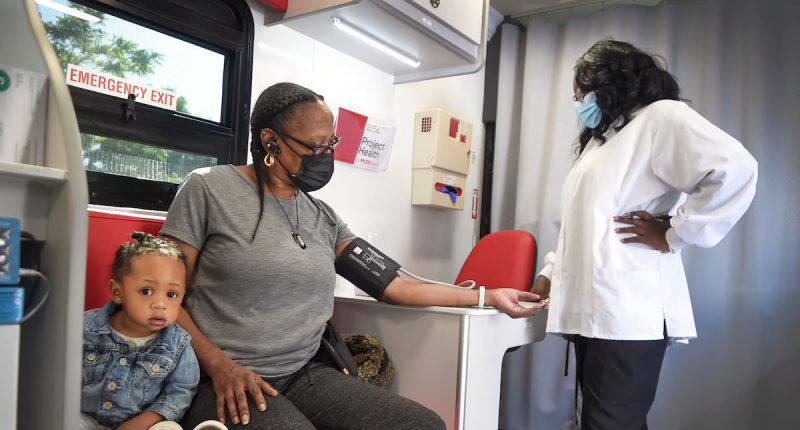
Programs aimed at improving nutrition and preventive screening are among the approaches being used to address cardiovascular risk. Examples include local food pharmacy initiatives that seek to increase access to healthy foods and community health screening events that provide free blood pressure checks and connections to local healthcare resources.
One participant at a recent Project Health screening event in Florida said the experience provided valuable information about maintaining long-term health.
Barriers vary across communities
Healthcare leaders emphasize that cardiovascular health challenges differ across populations, requiring targeted approaches rather than one-size-fits-all solutions.
For Medicaid members, obstacles can include limited access to primary care, housing instability, and lower levels of health literacy. These challenges often coincide with higher rates of chronic illnesses such as diabetes, which can increase cardiovascular risk.
Among Medicare beneficiaries, factors such as managing multiple chronic conditions, navigating digital healthcare tools, and adhering to complex medication schedules may affect treatment and prevention efforts.
Residents of rural communities face a different set of challenges, including healthcare provider shortages, transportation limitations, and reduced broadband access for virtual healthcare services. Access to prescription medications can also be more difficult in areas with fewer pharmacies.
“Improving heart health requires understanding the challenges people face, connecting them to the right care at the right time, and ensuring they have the knowledge, support, and community resources to stay engaged throughout their health journey,” Gathing said.
Focus on community-specific solutions
Public health experts increasingly advocate for strategies tailored to the unique needs of affected populations. Such efforts may combine clinical care with community outreach, patient education, data-driven interventions, and personalized support.
Advocates say understanding local barriers can help healthcare organizations design programs that improve early risk detection, connect patients to appropriate treatment, and encourage long-term engagement with preventive care.
As cardiovascular disease continues to account for a significant share of deaths nationwide, healthcare leaders argue that reducing disparities will require coordinated efforts across healthcare systems, community organizations, and public health agencies.
“Every person deserves the opportunity to achieve better heart health,” Dr. Gathing said. “When healthcare meets people where they are, healthier communities become possible.”
About CVS Health
CVS Health Corp. provides health solutions in the United States. The health care benefits segment offers traditional, voluntary, and consumer-directed health insurance products and related services.
CVS Health stock (NYSE:CVS) opened trading at US$94.00 and has risen more than 17 per cent since the year began.
Join the discussion: Find out what the Bullboards are saying about CVS Health and check out Stockhouse’s stock forums and message boards.