

- U.S. seizes Iranian‑flagged commercial vessel, sharply escalating tensions and raising doubts that the Strait of Hormuz will fully reopen as a fragile ceasefire period runs down
- Oil prices jump 4–6 per cent as traders reprice the risk of supply disruptions through the strait, a key chokepoint for global energy flows
- Global stock markets pull back modestly from record highs, with U.S. futures dipping as investors balance geopolitical risk against still‑strong earnings momentum
- Inflation and interest‑rate concerns return to focus, as higher energy prices threaten to complicate central bank plans and delay expected rate cuts
Global markets opened the week on edge Monday after the United States confirmed it had seized an Iranian‑flagged commercial vessel over the weekend, reigniting fears that tensions in the Middle East could once again disrupt energy supplies through the Strait of Hormuz — one of the world’s most critical shipping corridors.
The incident marks a sharp reversal from late‑last‑week optimism, when investors began pricing in a sustained de‑escalation between Washington and Tehran following reports that limited shipping traffic had resumed through the strait. Those hopes faded quickly after the weekend operation, which Iran condemned as a “hostile act” and warned could prompt retaliation.
Oil surges as supply fears resurface
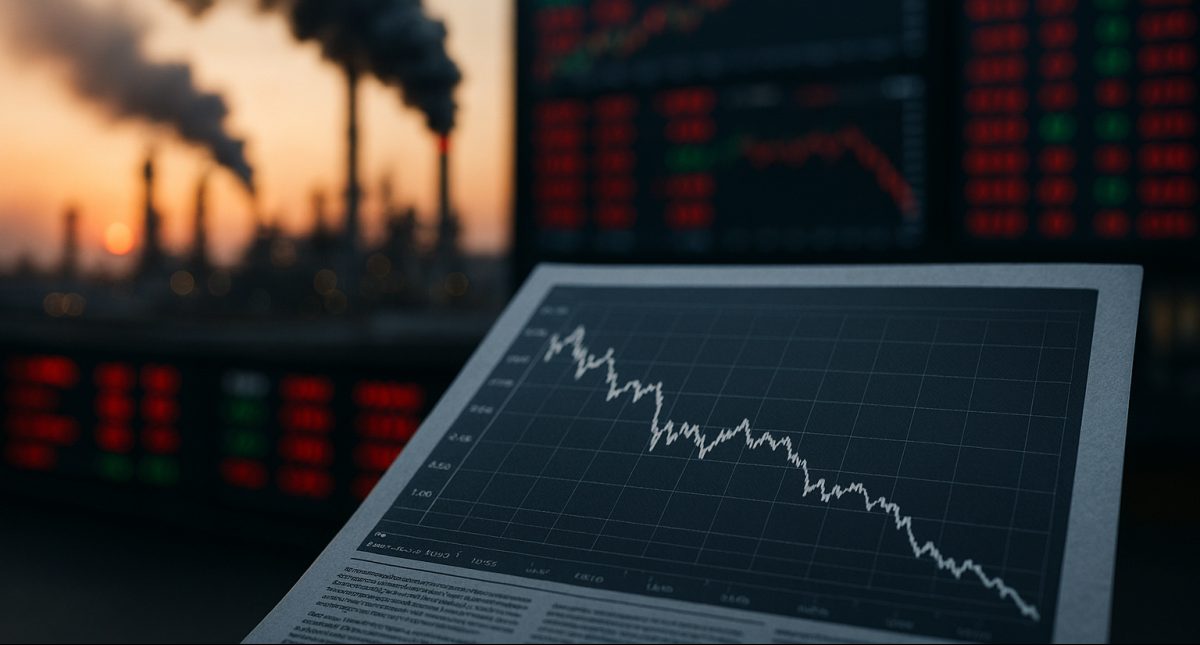
Crude oil prices surged sharply in early trading, with West Texas Intermediate rising between 4 per cent and 6 per cent during Asian and European hours, reversing much of last week’s steep pullback. Brent crude followed a similar trajectory, as traders reassessed the risk that shipping restrictions could persist or tighten further ahead of a tenuous ceasefire deadline later this week.
The Strait of Hormuz is a vital chokepoint for global energy markets, carrying roughly one‑quarter of the world’s seaborne oil shipments. Any prolonged disruption — even if physical supply losses are limited — has historically been enough to drive sharp price spikes due to insurance withdrawals, rerouting delays, and speculative positioning in energy markets.
Analysts noted that while some vessels reportedly managed to transit the strait over the weekend, uncertainty remains high amid contradictory statements from U.S. and Iranian officials on whether full commercial access has truly resumed.
Stocks pull back from record highs
U.S. equity futures dipped modestly following the news, with S&P 500 and Nasdaq futures down roughly 0.4 per cent to 0.6 per cent in early trading, retreating from Friday’s record‑setting close. European equities fell more sharply, while Asian markets showed mixed performance amid thin holiday‑adjacent volumes.
Despite the pullback, the reaction was measured relative to the scale of recent geopolitical shocks. Strategists said much of the immediate selloff reflected profit‑taking after last week’s powerful rally rather than outright risk aversion.
Volatility indicators moved higher but remained below crisis levels, suggesting investors still see the situation as fluid rather than structurally destabilizing — at least for now.
Washington and Tehran trade warnings
U.S. officials said the seized vessel was attempting to bypass a maritime blockade linked to sanctions enforcement and regional security measures. Iran, for its part, vowed to respond “at a time and place of its choosing” and cast doubt on participating in a new round of talks that Washington had hoped to convene before the current ceasefire expires.
The seizure follows days of conflicting signals from both sides, underscoring the fragile nature of the diplomatic process. European allies have publicly expressed concern that stalled negotiations or miscalculations could spiral into a wider confrontation, even if neither side appears to be seeking full‑scale conflict.
China and several European governments renewed calls this morning for all parties to reopen the strait unconditionally, warning that prolonged uncertainty could ripple through global inflation, trade flows, and financial stability.
Inflation and central banks back in focus
The renewed oil rally adds complexity to the global economic outlook, particularly for central banks that had begun to see progress on inflation. Energy prices remain a key wildcard for monetary policy, and traders quickly adjusted expectations for interest‑rate cuts later this year if geopolitical pressures persist.
U.S. Treasury yields edged higher in early trading, reflecting concerns that sustained energy inflation could keep rates “higher for longer,” even as broader economic growth shows mixed signals.
Earnings optimism tempers market anxiety
Still, equity losses were capped by a heavy slate of corporate earnings due this week from major U.S. companies across healthcare, industrials, aerospace, and technology. Investors continue to view earnings momentum — particularly among large‑cap firms — as a critical buffer against geopolitical shocks.
Market strategists noted that unless the Middle East situation deteriorates materially, company guidance and profit growth are likely to reclaim center stage later in the week.
A fragile calm
For now, markets appear caught between hope and hesitation — balancing expectations that diplomacy will prevail against the reality that the Strait of Hormuz remains a flashpoint with global consequences.
Join the discussion: Find out what the Bullboards are saying about energy stocks and check out Stockhouse’s stock forums and message boards.