

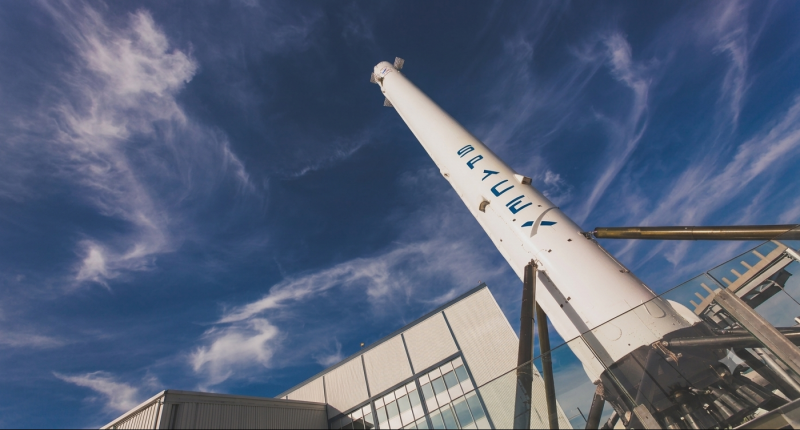
- SpaceX (NASDAQ:SPCX) reported its first earnings as a public company
- Shares have fallen nearly 25 per cent since their debut and remain about 50 per cent below their record high
- Revenue of US$7.8 billion, up from US$4.7 billion in the previous quarter
- SpaceX stock (NASDAQ:SPCX) opened trading at US$112.37
All eyes are on SpaceX (NASDAQ:SPCX) after the company reported its highly anticipated second-quarter results, its first earnings release since going public.
The report arrives at a critical time, with shares down nearly 25 per cent from its US$150 debut last month and roughly 50 per cent below its all-time high of US$225.64.
With the stock under heavy pressure, investors are hoping strong results or upbeat guidance could help spark a turnaround.
This article is a journalistic opinion piece that has been written based on independent research. It is intended to inform investors and should not be taken as a recommendation or financial advice.
SpaceX reported sharp revenue growth and a significantly narrower net loss as its Space, Connectivity and AI businesses continued to expand.
The company reported second-quarter revenue of US$7.8 billion, up 92 per cent year over year from US$4.1 billion. SpaceX also reduced its net loss to US$541 million, an improvement of US$467 million compared with a net loss of US$1.0 billion in the same period last year. Adjusted EBITDA surged 191 per cent toUS $3.5 billion.
Management credited the results to its strategy of extreme vertical integration, which helped fuel growth across all three of its operating segments: Space, Connectivity and AI.
The quarter was marked by significant progress in the company’s space operations. SpaceX successfully completed two Starship V3 flight tests within the past 90 days, advancing development of what it hopes will become a fully and rapidly reusable launch system.
Meanwhile, the Connectivity segment continued to benefit from strong adoption of Starlink. Segment revenue increased 66 per cent year over year, while income from operations climbed 79 per cent, driven by a doubling of Starlink subscribers and ongoing growth in enterprise and government customers.
SpaceX also strengthened its long-term revenue outlook by securing multiple cloud services agreements valued at US$14.1 billion in contracted sales. In addition, the company was awarded more than US$6 billion in multi-year U.S. government contracts for its Starshield business, further expanding its presence in the national security and defense market.
The company’s AI division also made headlines during the quarter. SpaceX announced an agreement to acquire AI coding startup Cursor for US$60 billion, a move aimed at accelerating its enterprise AI ambitions. The company also launched Grok 4.5 in July.
According to Bloomberg consensus estimates, SpaceX was expected to post Q2 revenue of US$6.81 billion, up substantially from the US$4.7 billion generated in the previous quarter.
If you’re looking for a SpaceX crash, its Falcon 9 rocket is on a crash course with the moon this week.
Space Exploration Technologies Corp. provides satellite broadband services to customers in the U.S., Canada, Ireland, and other international markets, operating across its Space, Connectivity, and AI divisions.
SpaceX stock (NASDAQ:SPCX) opened trading roughly 9 per cent lower at US$112.37, and has lost around 23 per cent over the course of its stock market lifetime.
Join the discussion: Find out what the Bullboards are saying about SpaceX and check out Stockhouse’s stock forums and message boards.