
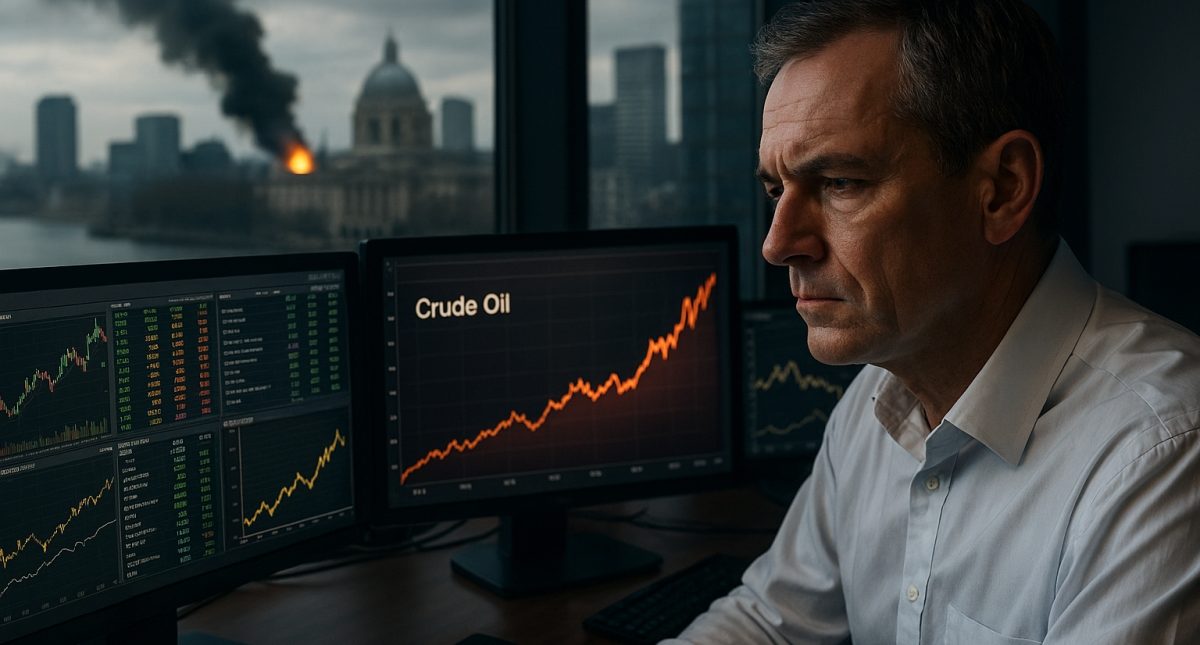

- Inflation is back in focus and March CPI is the first reading to reflect the Iran‑related oil shock, forcing investors to reassess whether inflation is easing—or threatening hopes for Fed rate cuts
- Stocks have surged on the U.S.–Iran ceasefire, but gains are widely seen as a relief rally rather than a sign of lasting stability
- The ceasefire has calmed oil and volatility, but its fragility means any breakdown could quickly reignite inflation and market stress
- With bank earnings kicking off, investors are watching for signs that higher energy costs are starting to pressure profits and demand
U.S. investors headed into Friday’s session focused on a single question: whether inflation pressures linked to the Iran conflict are manageable enough to keep hopes for Federal Reserve rate cuts alive, or severe enough to threaten a rally that has carried stocks higher for more than a week.
At the centre of that debate is the March Consumer Price Index (CPI) report, released this morning, which offers the first comprehensive look at how surging energy prices during the Iran war fed into consumer inflation. The data arrived against the backdrop of a two‑week ceasefire between the U.S. and Iran, a truce that has soothed markets but remains far from secure.
Inflation data carries outsized importance
Economists and investors viewed the March CPI as unusually consequential because it partially captures the sharp spike in oil prices that followed disruptions in the Strait of Hormuz, one of the world’s most critical energy chokepoints. Crude prices briefly breached $100 a barrel in March, pushing gasoline costs sharply higher and raising concerns that inflation—which had been trending closer to the Fed’s 2% target—could reaccelerate.
While headline inflation rose meaningfully due to energy prices, core CPI, which strips out food and energy, was closer to expectations. That distinction has become the central fault line in market interpretation: whether policymakers will look through energy‑driven inflation or treat it as a signal that price pressures remain too entrenched to permit monetary easing.
“Outside of gasoline, most of today’s reading does not yet capture the full fallout from the Iran conflict,” Omair Sharif of Inflation Insights wrote in a note cited by Bloomberg, adding that future inflation prints could worsen if energy prices stay elevated.
Markets ride relief rally, but unease lingers
U.S. equities have rallied sharply since President Donald Trump announced the ceasefire earlier this week, with the S&P 500 on track for its strongest weekly gain in nearly a year and the Nasdaq logging its longest winning streak since September. Volatility has receded, and oil prices have pulled back from their recent highs.
Yet investors’ appetite for risk remains tentative. Trading desks described recent gains as a relief rally, fueled by the partial unwinding of war‑related risk premiums rather than renewed confidence in the economic outlook. Several strategists noted that equities are now vulnerable to renewed volatility if either inflation data deteriorates or diplomatic efforts falter.
Bond markets echoed that cautious tone. Treasury yields moved modestly as traders recalibrated expectations for the Fed’s path, while interest‑rate futures continued to price in fewer rate cuts for the second half of 2026 than earlier in the year.
Ceasefire holds — for now
Geopolitics remains the wild card. The ceasefire between Washington and Tehran has allowed oil shipments to resume more normally through the Strait of Hormuz, easing immediate supply fears. However, officials on both sides have framed the agreement as temporary, with further negotiations scheduled for the weekend.
Market participants are keenly aware that a breakdown in talks could quickly reverse recent gains. Energy prices remain highly sensitive to headlines, and any renewed threat to shipping lanes would likely ripple through inflation expectations, equity valuations and currency markets.
Zacks Investment Research noted that the recent market advance has been driven largely by optimism that diplomacy will hold, warning that sentiment could shift abruptly if tensions escalate again.
Earnings season adds another layer of risk
Complicating the backdrop, first‑quarter earnings season begins in earnest this week, with major U.S. banks set to report results. Investors will be watching closely for commentary on consumer spending, credit quality and the impact of higher energy costs on margins.
Earnings guidance may prove as influential as inflation data. Companies that signal rising costs or weakening demand could reinforce fears that the economic drag from higher fuel prices is only starting to surface. Conversely, resilient profit outlooks may help reassure markets that the economy can absorb an energy shock without tipping into a broader slowdown.
A market at an inflection point
For now, markets are balancing relief against realism. Investors are neither fully pricing in a return to pre‑conflict calm nor bracing for a renewed crisis. Instead, portfolios are gradually shifting toward a more defensive posture, reflecting unease that geopolitics and inflation could reassert themselves quickly.
As one strategist put it, the coming days will determine whether the recent rally marks the start of a more durable recovery—or merely a pause in a market still hostage to inflation data and fragile diplomacy.
For investors, the message this morning is simple: the next move depends not just on numbers, but on negotiations.
Stockhouse does not provide investment advice or recommendations. All investment decisions should be made based on your own research and consultation with a registered investment professional. The issuer is solely responsible for the accuracy of the information contained herein. For full disclaimer information, please click here.