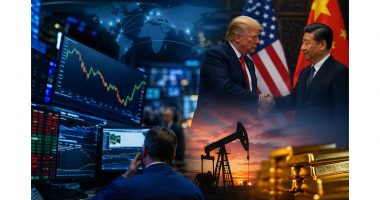

- Every weekend since the war began on February 28, traders have waited to find out whether the Strait of Hormuz is actually open or closed
- Iran says the strait is closed, Washington says it is open, and the market increasingly trusts neither side
- Oil prices react to the headlines when futures trading opens Sunday night, but the bigger moves often come Monday
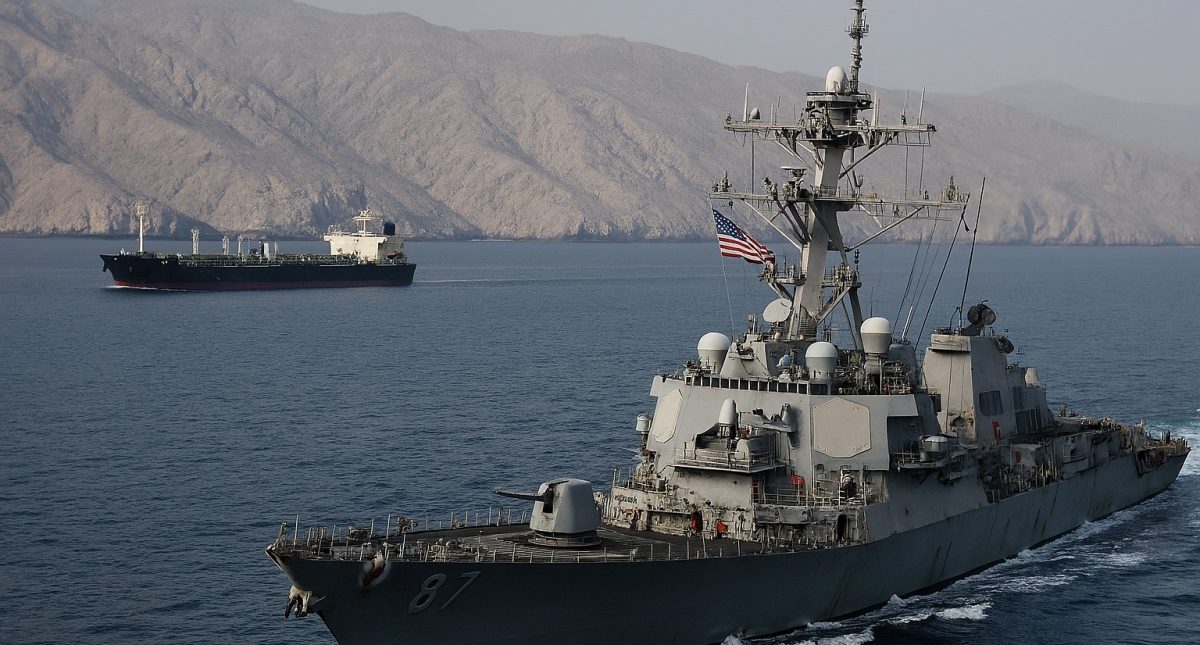
- The real indicator is tanker traffic, as traders and shipping companies watch the ships rather than the political statements
Every weekend since February 28, investors, oil traders and shipping companies around the world have been playing the same game.
Is the Strait of Hormuz open or closed?
The answer depends on who you ask.
Iran says one thing. Washington says another. The market believes neither.
Instead, traders are watching the ships.
That routine has become one of the defining features of the global market since the war began on February 28—a Saturday. The timing mattered more than most people realized.
Stock markets were closed. Futures markets were closed. Oil traders could not immediately react.
This article is a journalistic opinion piece that has been written based on independent research. It is intended to inform investors and should not be taken as a recommendation or financial advice.
When fighting broke out that Saturday morning, there was near-universal agreement about one thing: oil prices were about to rise. The Strait of Hormuz, the narrow waterway connecting the Persian Gulf to global markets, handles roughly one-fifth of the world’s oil shipments. Any threat to traffic there has immediate implications for energy prices around the globe.
Yet for roughly a day and a half, there was little anyone could do.
The previous trading session had already ended on Friday. Markets would not reopen until Sunday evening. For investors, it was a rare period where a major geopolitical event unfolded in slow motion while the financial system sat idle.
When futures trading finally resumed Sunday night, oil prices surged. Crude briefly pushed above US$80 a barrel for the first time in more than a year as traders rushed to price in the possibility of disrupted supplies.
Since then, that pattern has repeated itself nearly every weekend.
Iran periodically announces that the Strait of Hormuz is closed. Washington responds that it remains open. At various points, U.S. officials—including the president, vice president and military leaders—have publicly insisted commercial traffic can continue and that American forces will ensure freedom of navigation.
The conflicting statements have created an unusual dynamic. Neither side appears focused on convincing the other. Instead, both seem to be addressing separate audiences.
For Tehran, closure announcements provide leverage during negotiations and signal the country’s ability to disrupt global energy flows.
For Washington, declaring the strait open helps project stability and, perhaps just as importantly, prevent a spike in consumer anxiety over gasoline prices. Energy costs remain politically sensitive, particularly during an election cycle.
The market has largely stopped taking either side at its word.
By Sunday evening, when futures markets reopen, prices still react to the latest announcements. Oil generally moves in the direction implied by the headlines.
But only a little.
The larger move increasingly happens during regular trading hours on Monday, when investors can examine the evidence that matters most: tanker data.
Are the ships moving?
Are cargoes reaching their destinations?
Are insurers willing to cover voyages through the region?
Those questions have become more important than official statements.
Modern financial markets have access to near real-time shipping information. Satellite tracking allows traders to monitor vessel movements across the globe. Every Monday, analysts sift through the data looking for an answer that diplomats and politicians often fail to provide.
The result has been a strange disconnect between rhetoric and reality.
Officially, the status of the Strait of Hormuz remains the subject of competing claims.
Practically speaking, much of the shipping industry has already adapted.
Many major tanker operators now route vessels around Africa rather than risk uncertainty in the Gulf. The alternative route is significantly longer and more expensive, but for shipping companies, predictability often matters more than distance.
As a consequence, traders increasingly focus less on what governments declare and more on how companies behave.
In that sense, the market’s weekly ritual has become surprisingly straightforward.
Friday arrives. Markets close.
Over the weekend, another round of announcements emerges. Iran says the strait is closed. Washington says it is open. Commentators argue. Politicians make speeches.
Then Sunday evening arrives, futures trading begins, and prices react to the headlines.
Monday morning, traders check the tanker data.
Only then do they decide what is actually happening.
It has become something of an industry joke—not because the situation is funny, but because the pattern has become so predictable. Some traders quip that the war only happens on weekends. The most dramatic announcements almost always arrive when financial markets are shut and participants have no immediate way to respond.
Months into the conflict, investors have learned an important lesson.
The Strait of Hormuz is no longer a story about official declarations. It is a story about observable reality.
Governments can call the waterway open. They can call it closed.
The market will wait until Monday.
Then it will look at the ships.
Join the discussion: Find out what the Bullboards are saying about oil and gas E&P stocks, then check out Stockhouse’s stock forums and message boards.