
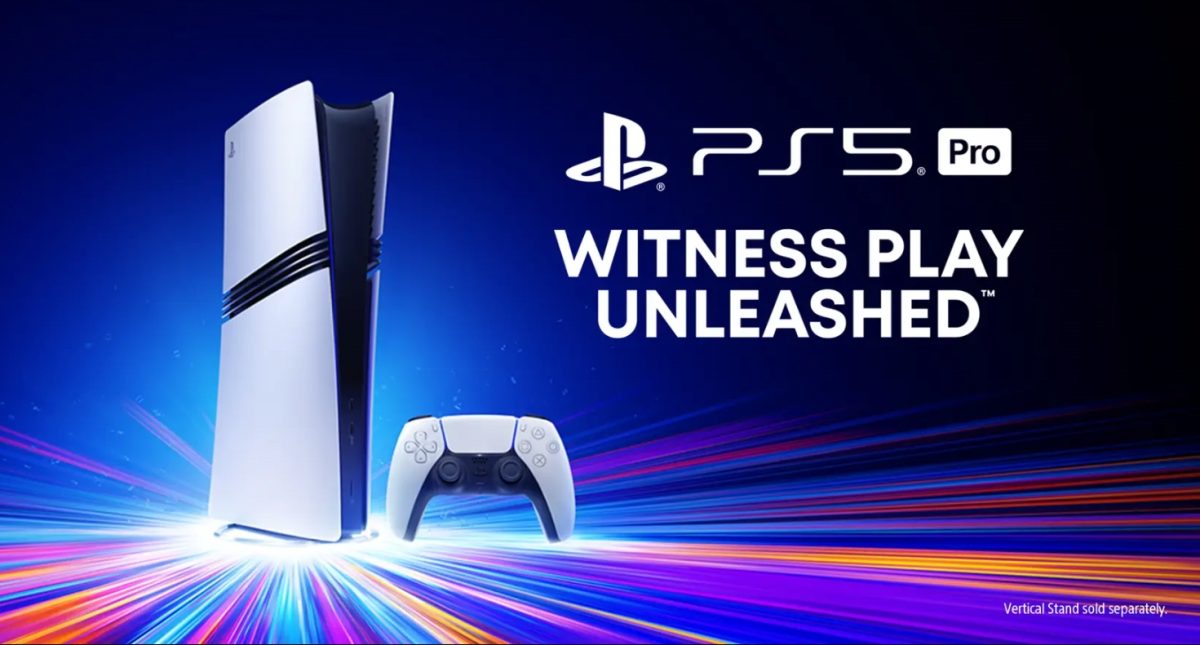

- Sony (NYSE:SONY) CEO Hiroki Totoki sold 225,000 shares worth roughly US$4.7 million, reducing his stake in the company by about 56 per cent just days after Sony announced it would end physical PlayStation game disc production in 2028
- The timing of the sale sparked speculation among investors and gamers, though SEC filings do not provide a reason for the transaction and experts note that executives sell stock for many personal and financial reasons
- Sony’s move toward an all-digital future has triggered significant backlash, including a petition with more than 250,000 signatures and subscription cancellations, but analysts believe the company is unlikely to reverse course
- Sony stock (NYSE:SONY) opened trading at US$20.88
Sony (NYSE:SONY) Group Corporation CEO Hiroki Totoki has sold more than half of his personal stake in the company, according to a recent filing with the U.S. Securities and Exchange Commission (SEC), a move that has attracted attention because of its timing following a major PlayStation announcement.
The SEC filing shows that Totoki, 61, sold 225,000 shares of Sony stock on July 3 at a price of US$21.02 per share, generating approximately US$4.7 million from the transaction. The sale represented roughly 56 per cent of his holdings in the company.
Following the transaction, Totoki retained 173,250 shares of Sony stock.
The sale occurred just two days after Sony announced plans to end production of physical PlayStation game discs in January 2028, a decision that sent shockwaves throughout the gaming industry and sparked widespread debate about the future of physical media. Although many analysts and consumers had anticipated a continued shift toward digital distribution, the announcement was still viewed as sudden despite the company providing an 18-month transition period before the policy takes effect.
Sony’s stock reportedly experienced a modest increase after the announcement, adding another layer of interest to the timing of Totoki’s share sale.
This article is a journalistic opinion piece that has been written based on independent research. It is intended to inform investors and should not be taken as a recommendation or financial advice.
Industry reaction
The decision to phase out physical PlayStation game discs has fueled discussion across gaming communities, with fans, retailers, and industry observers weighing the implications of a fully digital future. Questions surrounding game preservation, ownership rights, internet accessibility, and consumer choice have dominated much of the conversation since the announcement.
When details of Totoki’s stock sale became public, some observers quickly linked the transaction to Sony’s strategic shift toward digital gaming. However, the SEC filing itself contains no explanation for why the shares were sold.
The filing confirms only that the transaction occurred and outlines the number of shares involved. It does not provide evidence tying the sale to Sony’s recent business decisions or indicate any change in the CEO’s outlook on the company.
Insider sales often draw scrutiny
Investors frequently monitor insider trading disclosures for clues about executive sentiment. Large stock purchases by executives can sometimes be viewed as a sign of confidence, while sizable sales often generate questions about potential concerns inside a company.
Still, financial experts caution against drawing broad conclusions from a single transaction.
Corporate executives routinely sell stock for a variety of reasons unrelated to business performance. Common motivations include tax planning, portfolio diversification, estate management, personal financial needs, or the exercise of compensation-related stock awards.
As a result, a CEO’s stock sale does not automatically signal negative expectations for a company’s future.
Other executive transactions reported
Totoki was not the only Sony executive to conduct a stock transaction following the PlayStation announcement, according to the filing. While insider activity often attracts attention during periods of significant corporate change, such transactions are not unusual among senior leadership teams.
For now, investors are left with limited information beyond the facts disclosed in the SEC filing. While the timing of Totoki’s sale has fueled speculation, there is currently no public evidence indicating that the transaction reflects reduced confidence in Sony or its long-term strategy.
What is clear is that Sony’s move toward a more digitally focused gaming business continues to be one of the most closely watched developments in the entertainment industry, and executive stock transactions made during that transition are likely to remain under scrutiny from investors and gamers alike.
Backlash continues as petition surpasses 250,000 signatures
Public opposition to Sony’s decision to end physical PlayStation game disc production continues to grow. A Change.org petition calling on the company to reverse course has surpassed 250,000 signatures, while some players have begun cancelling their PlayStation Plus subscriptions in an effort to pressure Sony into reconsidering the move.
Despite the growing online campaign, some industry analysts are skeptical that the backlash will have a meaningful impact on Sony’s long-term strategy.
Speaking with IGN, Dr. Serkan Toto, CEO of Japanese gaming industry consultancy firm Kantan Games, argued that even a large-scale subscription boycott would likely represent only a small fraction of Sony’s overall PlayStation business.
“Sony has over 120 million active PlayStation users. Around 50 million people subscribe to PlayStation Plus. As a thought experiment, let’s say 500,000 cancel in protest. That would be just 1 per cent of that business gone. Of course, not enough for Sony to start rethinking. Digital is just too lucrative.”
Toto also suggested that Sony likely anticipated the negative reaction before making the announcement.
“They of course knew what the online reaction would look like, and they now wait for this storm to pass.”
Others believe Sony may be forced to address consumer concerns, even if a complete reversal remains unlikely.
Daniel Ahmad, Director of Research and Insights at Niko Partners, weighed in on the controversy on X, stating that Sony will probably respond in some way to the criticism but is unlikely to abandon its plans altogether.
“I do think Sony will respond in some capacity given the backlash. And to be honest, they shouldn’t have announced this until they were ready to disclose how discs would work on PS6, but I’d be surprised if they do a full reversal at this point.”
The mention of the PlayStation 6 has added another layer to the debate. While Sony has revealed little about its next-generation hardware, many observers now question whether the successor to the PlayStation 5 will support physical media at all. For players who use their consoles to watch movies and other physical content in addition to games, the prospect of a disc-free future represents a significant shift in how PlayStation systems have traditionally been used.
The move is particularly notable given Sony’s long history with physical media formats. The company played a major role in the development and adoption of the CD, DVD, and Blu-ray standards, helping shape the home entertainment industry for decades. Sony’s PlayStation hardware has also served as a major driver of physical media adoption. The PlayStation 2 remains widely recognized as one of the most successful DVD playback devices ever sold, while the PlayStation 3 and PlayStation 4 helped popularize Blu-ray technology for mainstream consumers.
For that reason, Sony’s push toward an all-digital future represents more than just a change in game distribution. It signals a dramatic departure from a business model and technological legacy that helped establish the company as one of the most influential names in home entertainment.
About Sony
Sony Corp. is one of the most comprehensive entertainment companies in the world, with a portfolio that encompasses electronics, music, motion pictures, mobile, gaming, robotics and financial services.
Sony stock (NYSE:SONY) opened trading at US$20.88 and is down 18 per cent from where it was at the beginning of the year.
Join the discussion: Find out what the Bullboards are saying about Sony, and check out the rest of Stockhouse’s stock forums and message boards.