
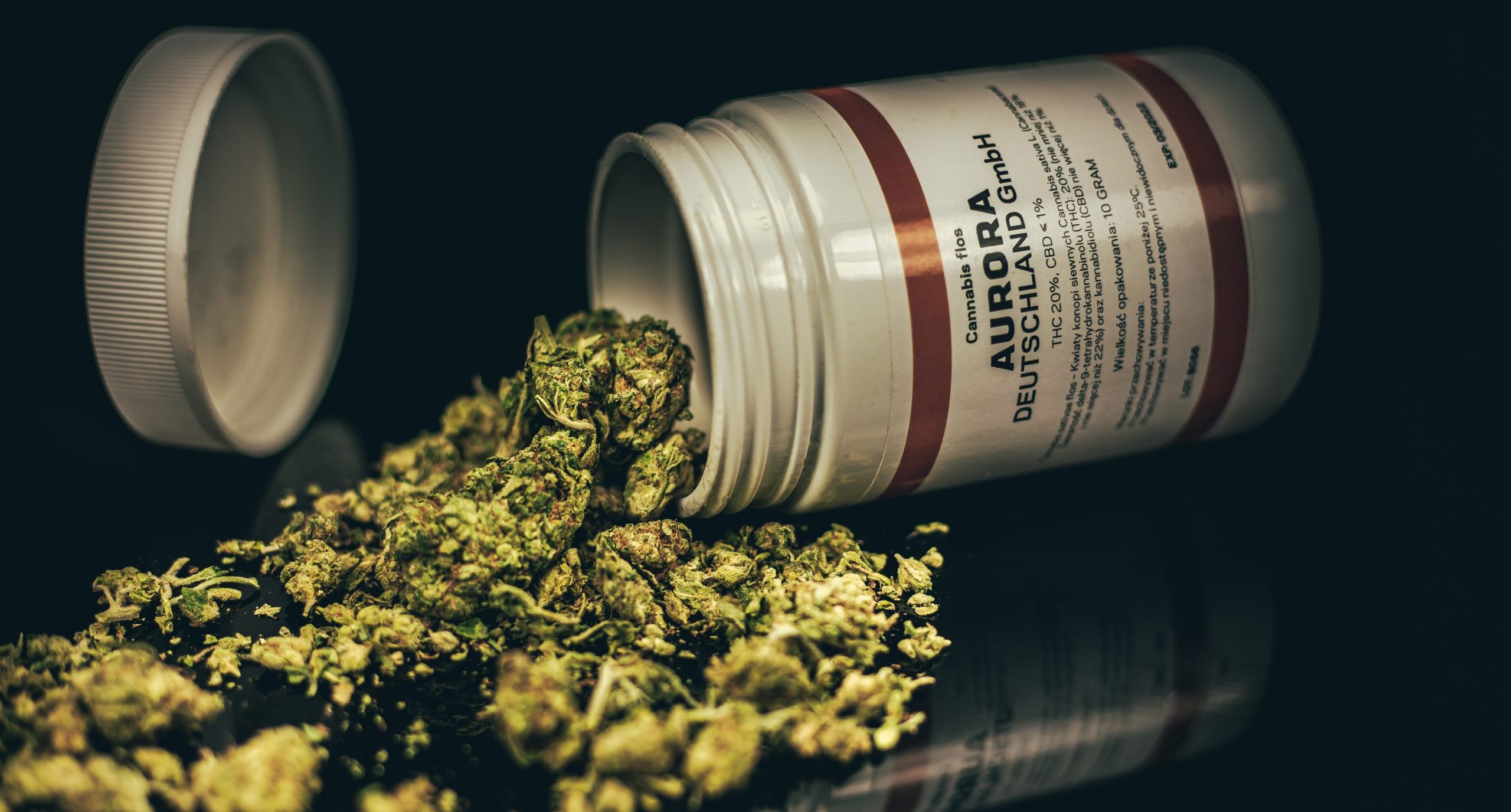

If you invested in Canadian cannabis stocks just after legalization in 2018, at the height of investor fervor, you are likely holding onto shares at a near total loss.
This is because the fervor proved too optimistic, attracting more competition than the industry could absorb, leading to uncontrolled growth, excess supply, margin compression and eventually unprofitability.
As a result, some of the industry’s initial leaders, then valued in the tens of billions in market capitalization, fell precipitously into the hundreds of millions, making investors wonder why they didn’t exit their positions sooner, if they managed to get out in the first place.
That said, these fallen leaders, and their tragic stock charts, offer investors today an enticing opportunity to riffle through the rubble for companies whose operations and income statements seem to have been unjustly punished by market-wide pessimism, granting them a leg up to capitalize on a potential US reclassification of cannabis as a less dangerous drug, which could pave the way for related companies to list on US stock exchanges.
Aurora Cannabis is down but not defeated
A cannabis stock value investors should keep tabs on is Aurora Cannabis (TSX:ACB), one of the aforementioned fallen leaders, but nevertheless, still a global player in the medical and recreational markets in Canada, Europe, Australia and New Zealand. The company also owns a controlling interest in Bevo Farms, North America’s leading supplier of propagated agricultural plants.
This content has been prepared as part of a partnership with Aurora Cannabis Inc., and is intended for informational purposes only.
The Edmonton, Alberta-based operator, whose flagship brands include Drift, San Rafael ’71, MedReleaf, CanniMed and Whistler Medical Marijuana Co., commanded a market capitalization of C$12.26 billion in 2019, subsequently falling to C$414.02 million as of August 12, 2025, because of billions in net losses over the preceding years, with Aurora stock giving back 94.6 per cent over the period to date.
Dire as Aurora’s situation may seem, the company has managed to quietly become the world’s largest medical cannabis company in nationally legal markets – see slide 17 of the June 2025 investor deck – while turning its financials around as if from night to day.
The turnaround began in fiscal 2024 with a more than 95 per cent decrease in net losses to C$65.58 million and annual adjusted EBITDA turning positive for the first time at C$12.8 million, marking Aurora’s strongest annual financial performance in its history.
Aurora found its way to positive free cash flow of C$6.5 million and an 87 per cent year-over-year (YoY) increase in adjusted EBITDA to C$4.9 million (representing its seventh-straight positive quarter under the metric) in Q1 fiscal 2025, driven by record revenue from the medical cannabis segment.
Momentum continued in Q2 with record quarterly adjusted EBITDA of C$10.1 million, up by 210 per cent YoY, and international revenue exceeding Canadian medical revenue for the first time, growing by 93 per cent to C$35 million.
The milestones carried on in Q3, as highlighted by record net income of C$31.2 million, up by 282 per cent YoY, a new record for adjusted EBITDA at C$23.1 million, up by 316 per cent YoY, supported by record medical cannabis revenue of C$68.1 million and management’s focus on sustainable long-term profitability.
Aurora proceeded to wrap up fiscal 2025 with aplomb, ending the year with positive free cash flow of C$9.9 million and new records for adjusted EBITDA and global medical revenue, propelled by strong showings from the international and plant propagation segments.
With growth across key metrics pushing forward in Q1 fiscal 2026, and management expecting positive free cash flow for the second straight year, Aurora’s shift into profitability stands in stark contrast to its competitors’ steep losses, granting it differentiated prospects when it comes to delivering shareholder value.
Backed by a commitment to science and innovation, Aurora is betting on the brightness of its future, having added 28 proprietary cultivars to its product pipeline since June 2021, with many more in development, as the company pursues strategic market expansions backed by C$186 million in cash as of June 30.
A reasonable investor would expect to see Aurora’s financial turnaround reflected in its stock price, but this has been far from the case, with shares giving back about 40 per cent since March 2023, creating a margin of safety wide enough to merit the dive into due diligence to substantiate a potential value play.
Join the discussion: Find out what everybody’s saying about this cannabis stock on the Aurora Cannabis Inc. Bullboard and check out the rest of Stockhouse’s stock forums and message boards.
Stockhouse does not provide investment advice or recommendations. All investment decisions should be made based on your own research and consultation with a registered investment professional. The issuer is solely responsible for the accuracy of the information contained herein. For full disclaimer information, please click here.