
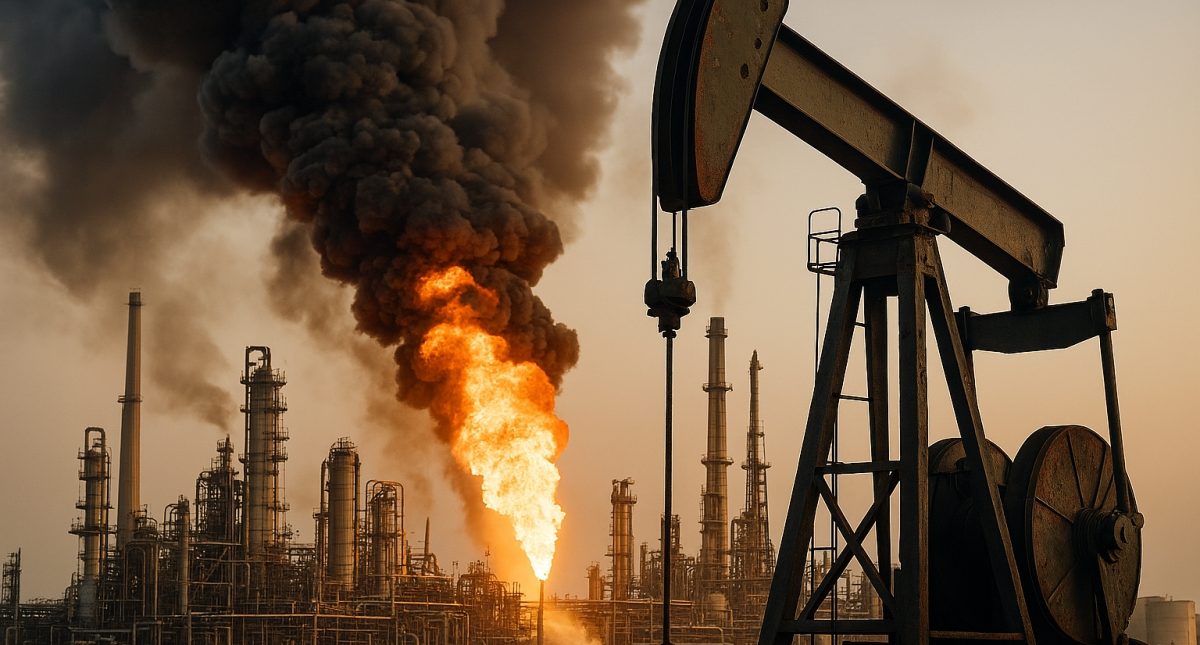

- Conflict involving Iran and disruptions in the Strait of Hormuz have added a persistent risk premium to oil, lifting prices and increasing volatility across global markets
- Sustained high oil feeds into headline inflation, making central banks—especially the Bank of Canada—more cautious about cutting rates, even as growth remains soft
- TSX energy stocks benefit immediately, while materials and industrials face higher costs, and consumer discretionary and rate‑sensitive sectors feel the drag later
- The TSX often rallies early with oil, but the longer prices stay elevated, the more the story shifts from producer gains to inflation pressures and tighter financial conditions
Oil prices rarely move in isolation
When crude climbs and stays high, the effects ripple through inflation data, central bank policy and, ultimately, equity markets. With global energy markets once again under strain, Canadian investors are asking a familiar question: if oil remains elevated, which parts of the TSX feel it first—and how?
A brief primer: why oil is back in focus
Despite the current ceasefire dragging down prices on Wednesday, the latest surge in oil prices has its roots in renewed conflict involving Iran and the effective disruption of shipping through the Strait of Hormuz. That narrow passage between Iran and Oman is one of the world’s most critical energy chokepoints. In normal times, roughly 20 million barrels per day—about 20–25 per cent of global petroleum liquids consumption and seaborne oil trade—pass through the strait, along with roughly 20 per cent of global LNG exports.
This article is a journalistic opinion piece that has been written based on independent research. It is intended to inform investors and should not be taken as a recommendation or financial advice.
Since late February 2026, U.S. and Israeli military actions against Iran, followed by Iranian retaliation, have periodically curtailed tanker traffic through Hormuz. Even partial or temporary disruptions matter because there are few practical alternatives for moving that volume of energy to global markets. The result has been sharp price volatility and a sustained geopolitical “risk premium” embedded in oil prices.
For Canada—a major oil producer and exporter—this is a double-edged sword. Higher prices lift revenues and profits in parts of the energy sector, but they also feed into inflation and complicate the interest-rate outlook.
Oil, inflation and interest rates: the macro backdrop
Higher oil prices typically show up first in gasoline and transportation costs, pushing headline inflation higher. Canadian policymakers are acutely aware of this channel. In March, the Bank of Canada held its policy rate at 2.25 per cent, noting that the Iran conflict and rising energy prices would likely push inflation higher in the short term, even as underlying economic growth remains soft.
The key uncertainty is persistence. Central banks tend to “look through” short-lived energy shocks. But if oil stays elevated, there is a greater risk of second-round effects—higher shipping costs, more expensive goods, and pressure on inflation expectations. Markets have already begun to price that risk, with investors debating whether rate cuts will be delayed or whether renewed tightening could return later in the year if inflation proves sticky.
This interaction between oil, inflation and rates is critical for equities. Sectors respond not only to the commodity price itself, but also to what higher oil means for borrowing costs, consumer demand and earnings durability.
Which TSX sectors feel it first?
1. Energy: first and most directly
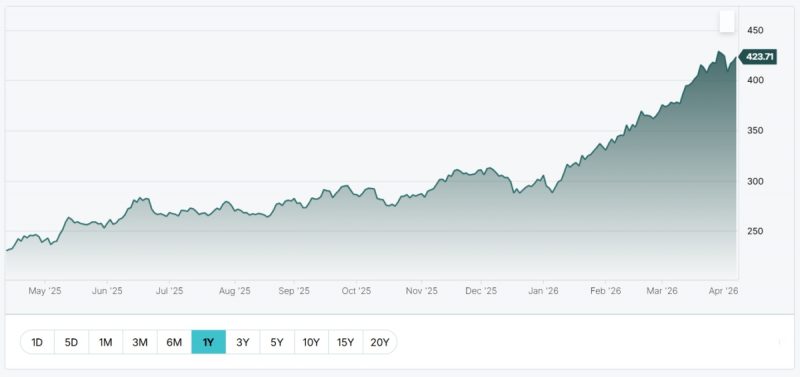
Unsurprisingly, the Energy sector is the fastest to react. Higher crude prices feed directly into cash flow for oil sands producers, integrated majors and some midstream companies. Historically, oil price shocks account for a large share of the variation in TSX energy stocks, far more than in the broader index.
In the current environment, rising prices have supported energy-heavy TSX rallies, even on days when other sectors lag. However, elevated valuations, windfall taxes abroad, and political pressure mean that upside is not unlimited—energy benefits first, but it also attracts volatility just as quickly.
2. Materials and Industrials: cost pressures emerge
Next in line are materials and industrials. Mining companies face higher diesel, electricity and transportation costs, which can squeeze margins if metal prices do not rise in tandem. Industrials—especially transportation, logistics and heavy manufacturing—are exposed to fuel costs and tend to feel the pinch early when oil stays high for months, not weeks.
3. Consumer discretionary: the slow bleed
Higher fuel prices act like a tax on households, reducing discretionary spending power. Over time, this weighs on consumer discretionary stocks, from retailers to auto-related businesses. The impact is rarely immediate, but it accumulates as consumers adjust their behaviour in response to sustained higher living costs.
4. Financials and real estate: Rates matter more than oil
For financials and real estate, oil matters indirectly. If elevated energy prices keep inflation above target, interest rates may stay higher for longer. That environment can pressure housing activity, loan growth and valuation multiples. These sectors often react later than energy or materials, but their sensitivity to monetary policy makes them important to watch if oil-driven inflation proves persistent.
5. Utilities and pipelines: mixed effects
Utilities and energy infrastructure names can sit somewhere in the middle. Regulated utilities may suffer from higher input costs, while long-haul pipelines and infrastructure operators can benefit from steady volumes and inflation-linked contracts. The net effect depends heavily on regulation and balance-sheet structure.
Putting it all together
Canada’s market structure amplifies oil’s influence. As a resource-heavy index, the TSX often rises with oil at first—led by energy—before the broader economic consequences assert themselves. Over time, the story shifts from “higher oil is good for producers” to “higher oil complicates inflation and growth.”
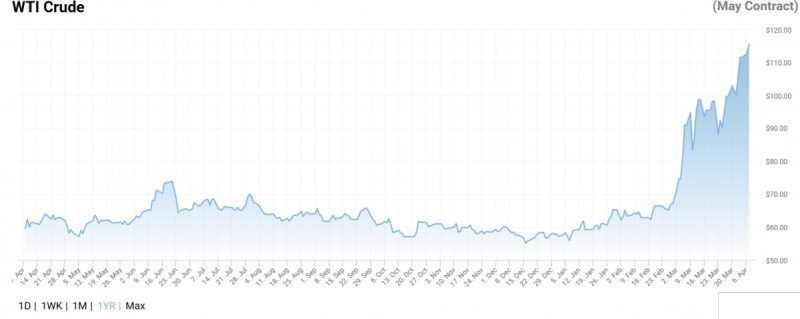
For investors, the key is sequencing. Energy feels it first, consumers and rate-sensitive sectors feel it later, and the overall market outcome depends on whether oil prices retreat—or linger long enough to reshape policy expectations.
A light-hearted ending (because markets need one)
If oil stays elevated, the TSX essentially goes through the five stages of grief—starting with excitement in energy stocks and ending with acceptance in rate-sensitive sectors. Somewhere in the middle, investors argue about inflation models, central banks squint at CPI prints, and everyone checks the gas pump with a sigh. Markets may be serious business, but at least this time, Canada gets to be both the driver and the passenger in the oil story—just hoping the ride smooths out before the tank runs dry.
Stockhouse does not provide investment advice or recommendations. All investment decisions should be made based on your own research and consultation with a registered investment professional. The issuer is solely responsible for the accuracy of the information contained herein. For full disclaimer information, please click here.