

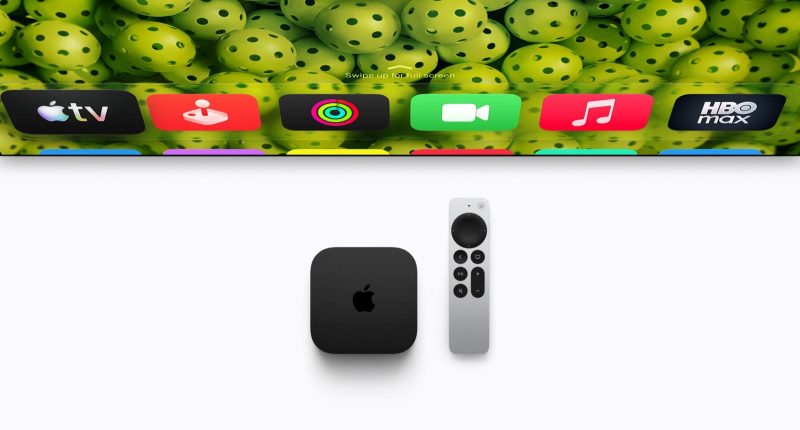
- Apple (NASDAQ:AAPL) unveiled a major home-focused product push, including a new Apple TV 4K, HomeView smart display, HomePod mini 2, and Apple Home Collection accessories
- Siri AI sits at the centre of the strategy, connecting entertainment, smart-home controls, and personalized experiences across Apple’s ecosystem
- The big question is whether consumers will buy into Apple’s vision of a fully integrated smart home or view it as another expensive extension of the company’s increasingly crowded ecosystem
- Apple stock (NASDAQ:AAPL) opened trading at US$343.40
Apple (NASDAQ:AAPL) unveiled a slate of new home-focused products this week, betting that artificial intelligence, smart home integration and a tightly controlled ecosystem can do for the living room and connected home what the iPhone did for the smartphone market years ago.
The announcements included a new Apple TV 4K, a second-generation HomePod mini, a smart display called HomeView, and an Apple-branded lineup of connected home accessories developed with LG Electronics and Schneider Electric. Taken together, the products represent one of Apple’s most aggressive pushes into the home market in years.
Apple wants a larger share of consumer spending beyond the smartphone. Whether consumers want their homes to become extensions of the Apple ecosystem remains the more expensive question.
This article is a journalistic opinion piece that has been written based on independent research. It is intended to inform investors and should not be taken as a recommendation or financial advice.
The centrepiece of the launch was a fourth-generation Apple TV 4K, priced at US$299, featuring a redesigned AI-powered Siri experience. According to Apple, the assistant can answer more sophisticated questions, search across entertainment content, draw on personal context from a linked iPhone, and operate the device completely hands-free through built-in microphones.
The hardware upgrade also includes an A19 processor, faster graphics performance, support for four-speaker HomePod surround sound setups, and deeper smart-home controls. While Apple framed the device as its most advanced entertainment hub yet, the higher price point places it well above many streaming competitors, suggesting the company is targeting existing Apple users rather than bargain-conscious consumers.
Apple also introduced HomeView, a new 7-inch smart display priced at US$299. The product combines elements of Amazon’s Echo Show and Google’s Nest Hub while wrapping them in Apple’s familiar privacy-focused branding and design language.
HomeView can display camera feeds, manage smart-home accessories, facilitate FaceTime calls, provide access to personal content and serve as a household command centre powered by Siri AI. The device recognizes individual users by face and can surface personalized information when paired with Apple devices.
The product fills a notable gap in Apple’s lineup. Critics have long questioned why Apple, despite its growing smart-home ambitions, lacked a dedicated smart display while rivals established footholds in kitchens, hallways and bedrooms years ago. HomeView appears designed to address that omission, though success will likely depend on whether Apple’s ecosystem advantages outweigh the reality that consumers already have smartphones, tablets, TVs and smart speakers competing for the same role.
Meanwhile, Apple expanded its smart speaker lineup with the HomePod mini 2, priced at US$149. The update brings Siri AI support, additional color options, improved audio performance and integration with Apple’s new four-speaker surround-sound configuration.

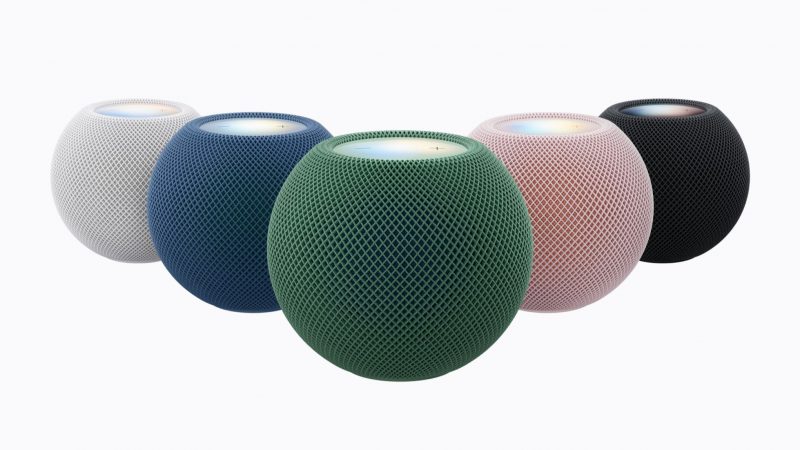
Notably, many of the flagship AI features will arrive through a future software update rather than being fully available at launch, reflecting a broader trend across the technology industry in which AI functionality is announced first and delivered incrementally later.
Perhaps the most eye-catching announcement was the launch of Apple Home Collection, a series of Apple-branded smart-home accessories developed alongside LG and Schneider Electric.

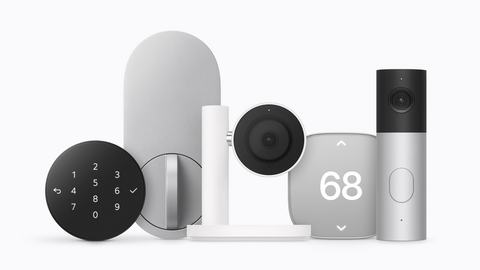
The lineup includes video doorbells, indoor and outdoor security cameras, smart locks, thermostats and environmental sensors. Pricing ranges from roughly US$40 for room sensors to nearly US$400 for premium security cameras.
While Apple has long supported third-party smart-home products through HomeKit and Matter, this marks a deeper move into hardware categories traditionally dominated by companies such as Ring, Nest and Arlo. Rather than manufacturing the devices entirely itself, Apple appears to be leveraging partnerships while ensuring the products remain tightly integrated with its software platform.
Privacy remains a central selling point. Apple repeatedly emphasized end-to-end encryption, local processing and its Private Cloud Compute infrastructure across virtually every product announcement. Investors have heard similar messaging before, but Apple evidently believes privacy continues to differentiate it in an increasingly AI-centric market where competitors are gathering larger amounts of user data.
The timing of the announcements also coincides with growing excitement surrounding Apple’s upcoming foldable iPhone Duo. Reports from Asia indicate Apple has reportedly increased supply-chain orders for the device by roughly 30% ahead of pre-orders, suggesting stronger-than-expected interest despite the handset’s premium pricing.
For investors, the broader takeaway may be less about any individual product and more about Apple’s strategy. The company appears determined to make Siri AI the connective tissue linking televisions, speakers, displays, cameras, locks and eventually smartphones into a single ecosystem.
Whether consumers embrace that vision remains uncertain. Smart-home adoption has historically advanced more slowly than industry forecasts predicted, and Apple is entering several mature categories against entrenched competitors. Still, with hundreds of millions of active Apple devices already in circulation, the company may not need to dominate every category. It may simply need enough customers willing to buy one more Apple device for one more room of the house.
Wall Street has heard variations of that story before. Apple, for its part, seems convinced there’s still space left in the home.
Apple Inc. designs, manufactures, and markets smartphones, personal computers, tablets, wearables, and accessories worldwide. The company offers iPhone, a line of smartphones; Mac, a line of personal computers; iPad, a line of multi-purpose tablets; and wearables, home, and accessories comprising AirPods, Apple Vision Pro, Apple TV, Apple Watch, Beats products, and HomePod, as well as Apple branded and third-party accessories.
Apple stock (NASDAQ:AAPL) opened trading 0.62% higher at US$343.40 and has risen more than 25% since the year began.
Join the discussion: Find out what the Bullboards are saying about Apple and check out Stockhouse’s stock forums and message boards.