
Demand for gluten-free, clean-label foods is projected to trend higher over the next decade, driven by growing skepticism surrounding ultra-processed foods and an increasing shift towards more proactive health choices, with numerous studies showing that more consumers are willing to pay a premium for healthier foods across markets representing hundreds of billions of dollars in value.
This article is disseminated in partnership with Eshbal Functional Food Inc. It is intended to inform investors and should not be taken as a recommendation or financial advice.
These markets, however, are highly fragmented, with a few conglomerates like PepsiCo, Nestlé and Danone, surrounded by a plethora of smaller, often founder-led health food brands, whose minimal scale makes it difficult for them to access capital and garner major-player attention.
The result is a pressing unmet need for M&A specialists to step up to the plate, roll up these emerging brands and help them solve their growing pains to unlock scale, innovation and newfound levels of product quality, reshaping them to land partnerships of increasing prominence as they make healthy eating more accessible and enjoyable than ever before.
Eshbal Functional Food’s de-risked path to scale
A food technology company thriving under this roll-up thesis is Eshbal Functional Food (TSXV:ESBL), market capitalization C$11.58 million, whose rapidly scaling platform, from ingredients to finished goods, caters to health food companies across retail, foodservice and online channels, with a focus on the high-growth North American market and its leading share of the gluten-free industry.
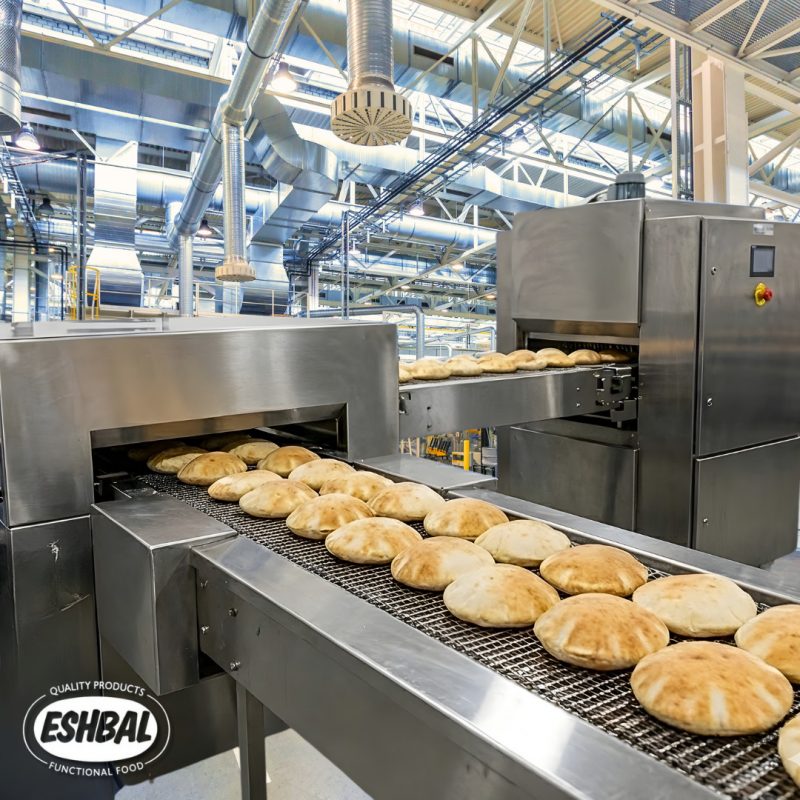
When Eshbal went public in April 2025 at a market cap of C$19 million, it introduced itself to the market with an established sales and brand portfolio – including Barili, Caragil and Komida – supported by proprietary methods, an in-house laboratory and a 60,000-square-foot production facility.
With operations generating revenue of US$13.8 million in 2025 at a gross margin of 25.4 per cent, up from US$11.4 million in 2024 at a gross margin of 23 per cent year-over-year (YoY) – representing 21 per cent growth – the company sported a modest multiple of just over 1.11x revenue.
Eshbal’s acquisition philosophy, centred on emerging brands with established market presences, plus robust revenue and margin expansion potential, has since led the company along a prospective path towards further growth. Highlight milestones include:
- Securing US brokerage representation through Active Marketing Group, a top firm representing some of the country’s s largest grocery, natural, mass-market, online and specialty retailers.
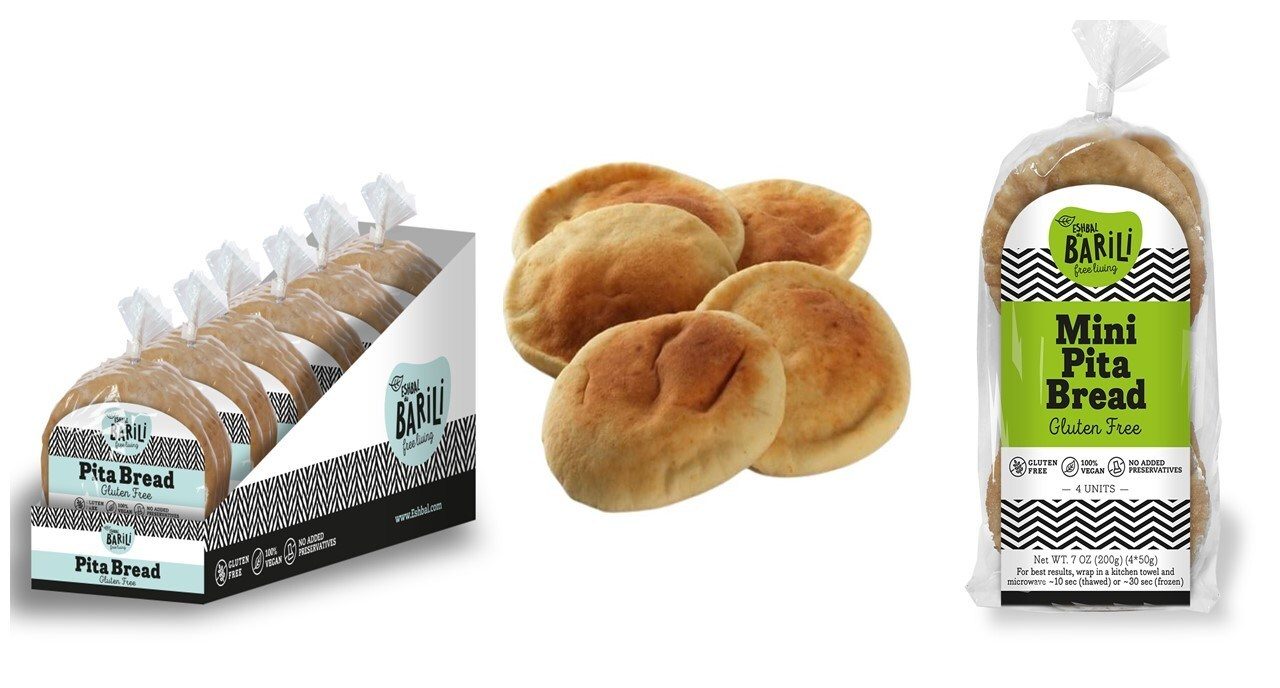
- Launching North American gluten-free pita bread production via a Toronto-based manufacturer, as well as several planned production cycles across a variety of specialty products. For context, despite the global gluten-free market being projected to grow by 10 per cent for the next decade, about triple the figure for average grocery growth, the space is noticeably short on competitors, prompting Eshbal leadership to pursue aggressive expansion.
- Finalizing the acquisition of Gluten Free Nation (GFN) in Q4 2025 plus acquiring a majority stake in Dare to Be Different Foods (D2BD), a pair of strategic North American gluten-free producers that better align Eshbal with the modern, health-conscious lifestyle.
These acquisitions, which we’ll discuss in the following sections, put Eshbal on a path to build upon US$13.8 million in revenue earned in 2025 at a gross margin of 25.4 per cent, supported by a stronger distribution and production footprint, increasing conviction in the company’s ability to usher its portfolio towards greater market awareness, profitability and ultimately shareholder value creation.
Gluten Free Nation
Eshbal’s closing on its acquisition of Gluten Free Nation, a Houston-based purveyor of gluten-free baked goods, further advances the company on its mission to bring strong health food brands into the spotlight, adding a product line diversified across breads, rolls, muffins and sweet baked goods that combines an uncompromising approach to flavor with nationwide availability through retail, foodservice and e-commerce channels.
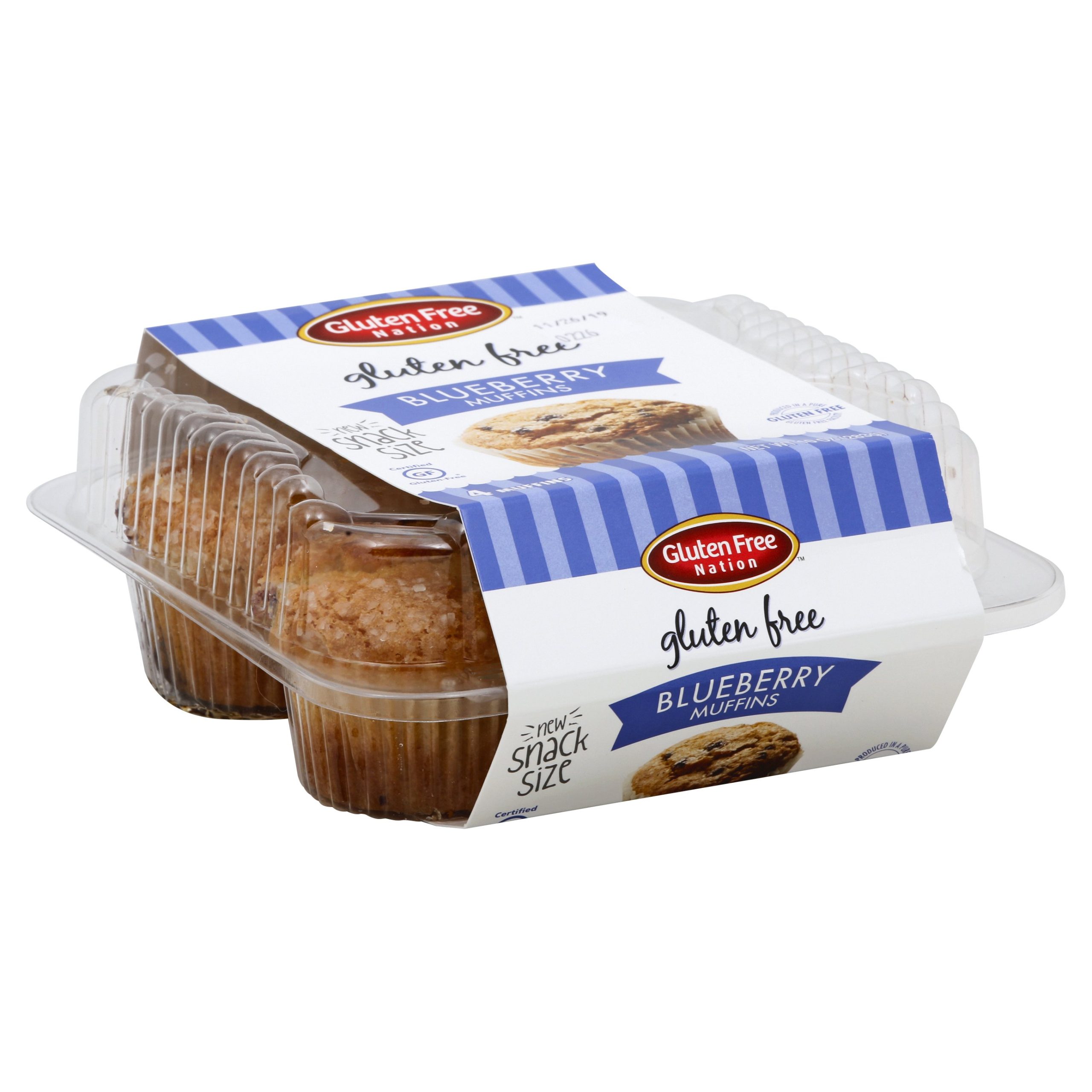
With placements across a variety of household grocery stores, including Kroger, Safeway and Albertsons, Gluten Free Nation offers Eshbal considerable leverage when it comes to breaking into the North American gluten-free market and better establishing itself as a go-to name among health-conscious consumers.
Dare to be Different Foods
Eshbal followed up its GFN acquisition by purchasing a 55 per cent stake in Dare to be Different Foods, a gluten-free, vegetable-forward food manufacturing company known for its pizza, gnocchi and crisps, with a robust presence across 550 big-box and specialty grocery stores along the eastern United States, including Walmart locations in New York state.
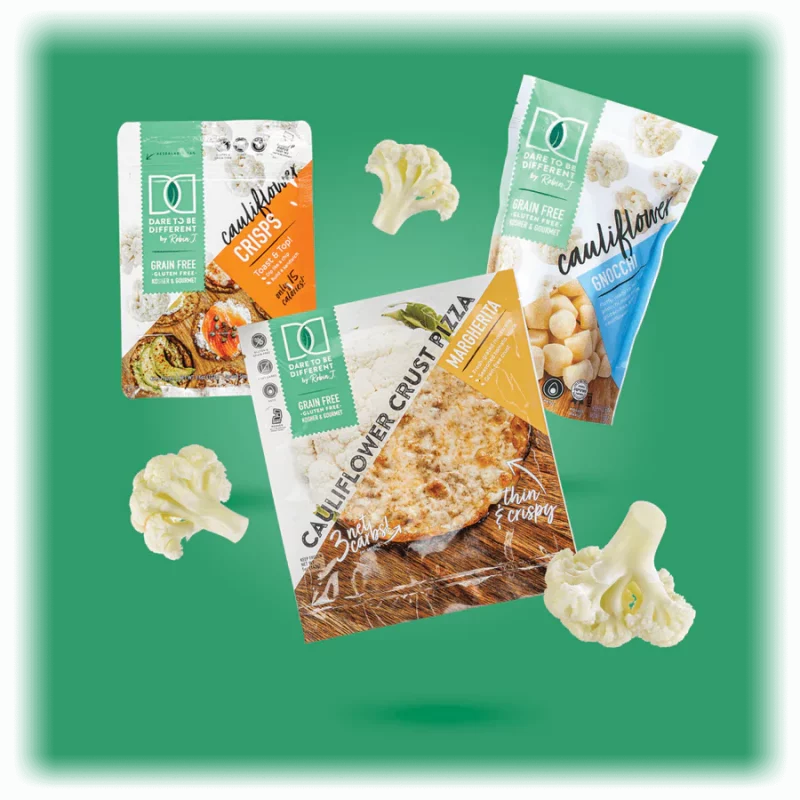
D2BD will add complementary products and additional production and distribution capacity to Eshbal’s growth engine, as well as an experienced management team that has grown the brand from a cookbook into a large-scale frozen food business over more than a decade of diligent development, setting a promising tone for ongoing discussions with several other potential acquisitions.
A financial outlook aligned with shareholder value
As Eshbal evaluates strategic additions to its health food platform, inching closer to catching the attention of conglomerates keen on expanding into the space, the company expects to deliver an improving financial track record that finds favor with a growing slice of the broader investing public.
The first milestone to look out for is Q1 2026 revenue, which is estimated to come in at a record US$5.3 million, up from US$3.755 million YoY, setting the company up to generate approximately US$20 million for the year – as per slide 9 of the Q1 2026 investor deck – reflecting initial contributions from GFN and D2BD. Look for operating income to undergo a stark reversal from a US$300,000 loss in 2025, which mainly reflects one-time listing expenses.
From there, Eshbal intends to step into 2027 with accelerating momentum, expanding retail and food-service distribution across North America, complemented by a gradual shift towards vertical integration, additional strategic better-for-you acquisitions and product launches, plus a potential uplisting to the TSX and a US stock exchange. As a whole, these initiatives are projected to lift annual revenue to US$31 million at a gross margin of 28 per cent, further substantiating leadership’s ability to garner market share while fostering bottom-line profitability.
Eshbal’s value-added trajectory is forecasted to carry on into 2028, scaling North American production into improving margins and operational efficiencies, enabling leadership to pursue brand and category expansions from a position of strength – marked by an estimated US$40 million in annual revenue at a 30 per cent gross margin – where each new acquisition serves to earn the company a spot on an increasing number of institutional radars.
Eshbal’s leadership team binds its recipe for success
With a roll-up model proven multiple times in practice, a robust acquisition pipeline and a global health food tailwind at its back, Eshbal has placed itself on a near-term path to exponential growth, begging the question about the executives behind the scenes responsible for putting this plan in motion.
The seasoned investor won’t be surprised to discover that the company’s profitable growth trajectory is no fluke, as it benefits from a leadership team with more than a century of food industry experience, including more than 20 years developing and producing gluten-free and better-for-you products.
Leadership benefits from the guidance of Chairman, Yuval Levy, who brings extensive experience in M&A, having led numerous global acquisitions at Frutarom, a top Israeli flavors and ingredients company, where he served as Senior Executive Vice President and General Manager of its Global Flavors Division from 1991 to 2005. Frutarom was acquired by International Flavors & Fragrances in 2018 for US$7.1 billion.
He is also the founder of Noki M.T., which holds a major stake in Eshbal, founded flavors company China Adama Flavors & Additives and acquired Arava Tea, Taami Baby Food and Heintz-Remedia Baby Food, making him an ideal fit to orchestrate Eshbal’s M&A playbook.
With a capable team at the helm and multiple years of results building conviction in Eshbal’s path forward as a consolidator of emerging health food brands, the most pressing question potential investors should be asking is, ‘Why has the company’s stock delivered a 14.71 per cent loss since listing in April 2025?’
A high-conviction scenario for value investors
When assessing a share price’s past performance, it’s important to stick to the facts, and in the case of Eshbal Functional Food’s roughly flat return since inception, the nascent size of its business paints a telling picture:
- First and foremost, the company’s micro capitalization keeps it outside of the purview of institutional investors, whose access to potentially billions in capital requires that acquisitions be large enough to avoid outright ownership, which entails strict disclosures and limits on buying and selling shares. This lack of visibility, in turn, often results in minimal, if any, analyst coverage, whose reports are predominantly geared towards institutional investors. In sum, the market’s most savvy minds have yet to lay eyes on the company and spread the word about the substantial near-term growth ahead.
- Eshbal’s short track record as a public company has also afforded it little in the way of retail investor awareness, with shares trading in the tens of thousands on an active day, contributing to a wider dislocation between price and value.
- Finally, we find ourselves in a moment of heightened geopolitical uncertainty, where deglobalization and rising inflation are souring macroeconomic projections about future revenue and earnings, on the whole nudging investors away from higher-risk, higher-reward investments, in favor of safer, lower-returning options, where data-driven upside takes a backseat to capital preservation.
These forces have granted Eshbal a current revenue multiple of less than 1x, based on 2025 results, which remains comfortably below valuation expert Aswath Damodaran’s food industry multiple of 1.34x as of January 2026, undervaluing the company against its target market.
This relative discount, as we’ve shown in this article, should be sounding an alarm in the ears of value investors, who will rightly note that Eshbal’s rising revenue, improving profitability, and solid framework for iterating on its success with GFN and D2BD, collectively make a strong case for the company earning a premium above its target market’s multiple over the years to come.
As Eshbal consolidates more strategically chosen health food brands and increases its prominence on the global stage, look for improvements on the income statement to tip the broader market off about the company’s blue-sky potential.
Join the discussion: Find out what investors are saying about this food technology stock on the Eshbal Functional Food Inc. Bullboard and make sure to explore the rest of Stockhouse’s stock forums and message boards.