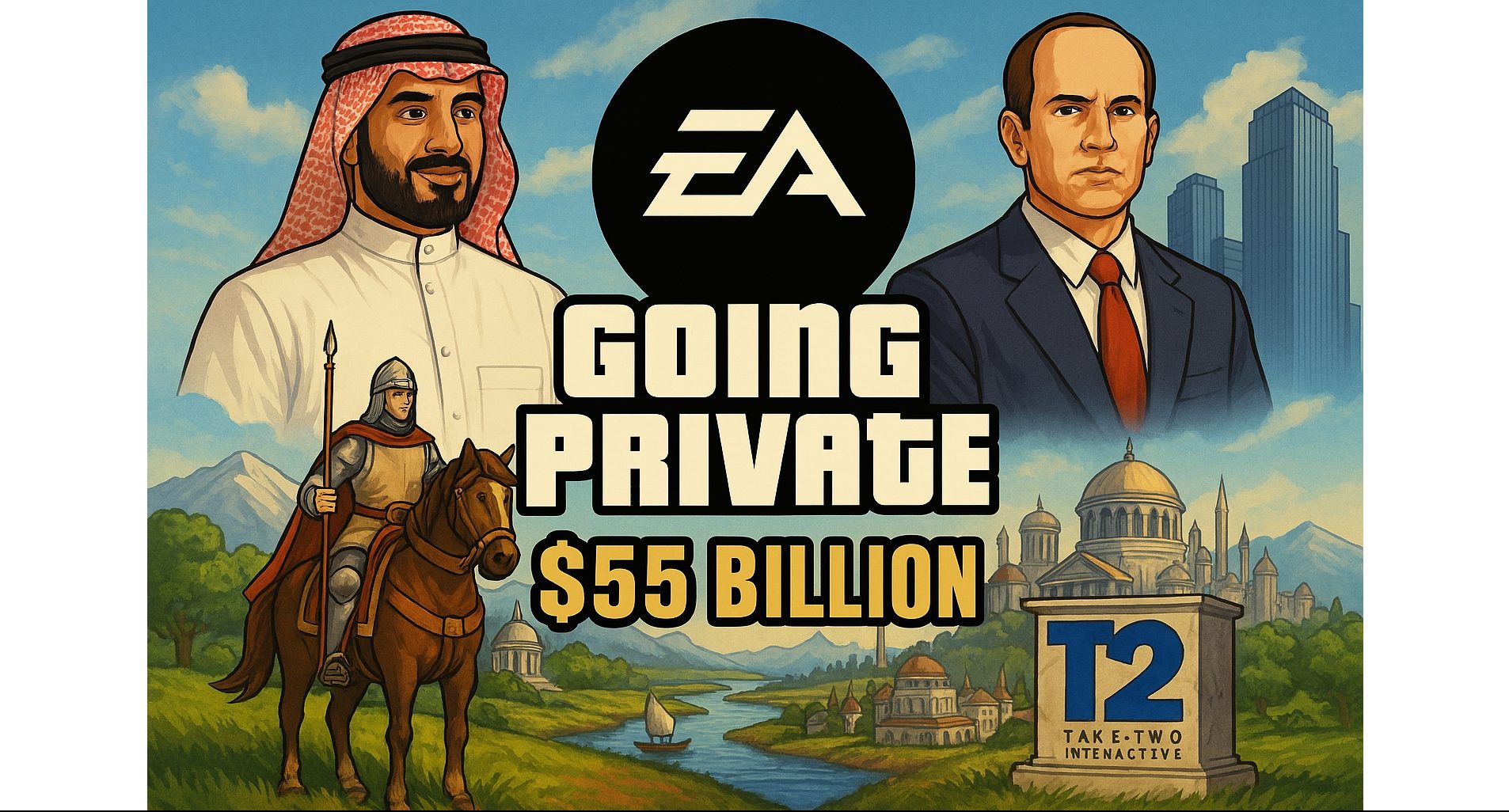

- EA (NASDAQ:EA) is going private in a US$55 billion deal, backed by Saudi Arabia’s PIF, Silver Lake, and Affinity Partners, ending its decades-long run as a public company
- Going private gives EA more creative freedom, allowing it to focus on long-term game development without the pressure of quarterly earnings—unlike public rival Take-Two Interactive (NASDAQ:TTWO)
- However, the deal brings risks, including heavy debt, potential cost-cutting, and reduced transparency compared to public companies like Take-Two
- Concerns about censorship and governance have emerged due to the involvement of foreign investors, raising questions about future content direction and oversight
In a historic move that’s sending shockwaves through both Wall Street and the gaming world, Electronic Arts (NASDAQ:EA) has agreed to a US$55 billion all-cash buyout. The deal—led by Saudi Arabia’s Public Investment Fund (PIF), private equity firm Silver Lake, and Jared Kushner’s Affinity Partners—will take EA private, ending its 36-year run as a publicly traded company. Shareholders will receive US$210 per share, a 25 per cent premium over recent trading prices.
This article is a journalistic opinion piece which has been written based on independent research. It is intended to inform investors and should not be taken as a recommendation or financial advice.
While the headlines focus on the record-breaking size of the deal—the largest leveraged buyout in gaming history—the implications run deeper. For gamers, developers, and investors alike, EA’s transition to private ownership could reshape how the company operates, innovates, and competes. To understand the potential impact, let’s explore the pros and cons of going private, using Take-Two Interactive (NASDAQ:TTWO)—a major publicly traded rival—as a point of comparison.
The pros of going private
1. Creative freedom without quarterly pressure
Public companies like Take-Two must report earnings every quarter, often prioritizing short-term gains to satisfy shareholders. This can lead to rushed releases or conservative strategies. Going private frees EA from this treadmill, allowing it to focus on long-term innovation.
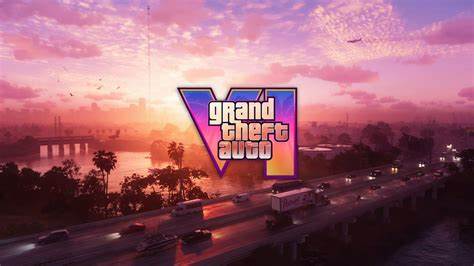
Example: Take-Two’s delays with Grand Theft Auto VI have frustrated investors, even though the company is likely prioritizing quality. EA, now private, could take similar risks without immediate market backlash.
2. Faster business and development moves
Private companies can pivot more quickly without needing shareholder approval or fearing stock volatility. EA could now experiment with new IPs, subscription models, or acquisitions more aggressively.
Example: Take-Two’s acquisition of Zynga in 2022 was a bold move, but it required months of investor scrutiny. EA’s new owners could greenlight similar deals with less friction.
3. Shielding from market volatility
Gaming stocks are notoriously volatile. EA’s stock dropped sharply in early 2025 due to underwhelming forecasts. As a private company, EA can weather such storms without public panic.
Example: Take-Two’s stock has surged 94 per cent over the past three years, but it remains vulnerable to investor sentiment swings—especially if GTA VI underperforms.
The cons of going private
1. Heavy debt and cost-cutting pressures
The US$55 billion deal includes US$20 billion in debt, which EA will need to service. This could lead to layoffs, studio closures, or a focus on “safe” franchises over experimental titles. Can EA pay down this debt + interest rate and also grow as a company?
Example: Take-Two, despite being public, has avoided major layoffs and continues to invest in diverse IPs like NBA 2K, Borderlands, and BioShock. EA may not have that luxury under private equity ownership.
2. Transparency and accountability concerns
Public companies are required to disclose financials, executive pay, and strategic plans. Private firms are not. This could reduce visibility for fans and investors alike.
Example: Take-Two’s quarterly earnings calls offer insights into development timelines and financial health. EA’s future plans may now be shrouded in secrecy.
3. Censorship and ethical oversight
With Saudi Arabia’s PIF as a major stakeholder, concerns have emerged about potential censorship or influence over game content, especially in politically sensitive titles.
Example: Take-Two, as a U.S.-based public company, faces regulatory and shareholder scrutiny that can act as a check on controversial decisions. EA’s new ownership structure may not offer the same guardrails.
Final thoughts: A new era for EA—and the industry?
EA’s move to go private is a bold bet on the future of gaming. It could unlock creative potential and operational agility—but it also introduces new risks, especially around debt, transparency, and governance. For investors, it’s a reminder that the gaming industry is consolidating fast, and the rules of the game are changing.
Take-Two now stands as one of the last major independent publishers. Whether it remains public or follows EA’s path could define the next chapter of the industry.
Join the discussion: Find out what the Bullboards are saying about Electronic Arts and Take Two, then check out Stockhouse’s stock forums and message boards.
Stockhouse does not provide investment advice or recommendations. All investment decisions should be made based on your own research and consultation with a registered investment professional. The issuer is solely responsible for the accuracy of the information contained herein. For full disclaimer information, please click here.