
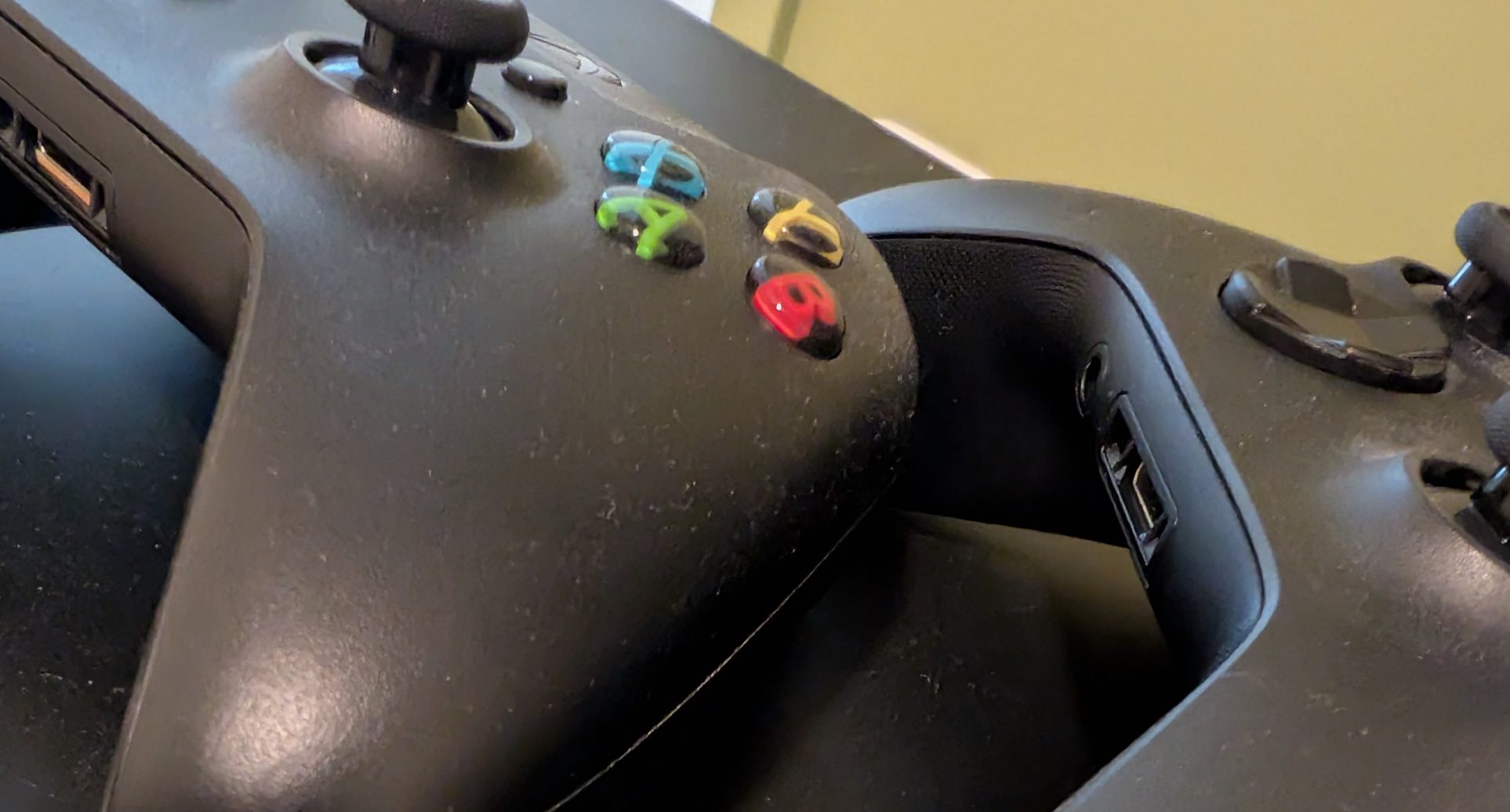

- Microsoft (NASDAQ:MSFT) unveiled Xbox Disc-to-Digital, allowing players to convert supported physical games into digital licenses across Xbox, PC, and cloud platforms
- The digital entitlement is revocable and can transfer to a new owner if the physical disc is sold or claimed elsewhere
- The announcement comes six weeks after Sony (NYSE:SONY) said it would stop making PlayStation game discs after January 2028, putting renewed focus on game ownership and preservation
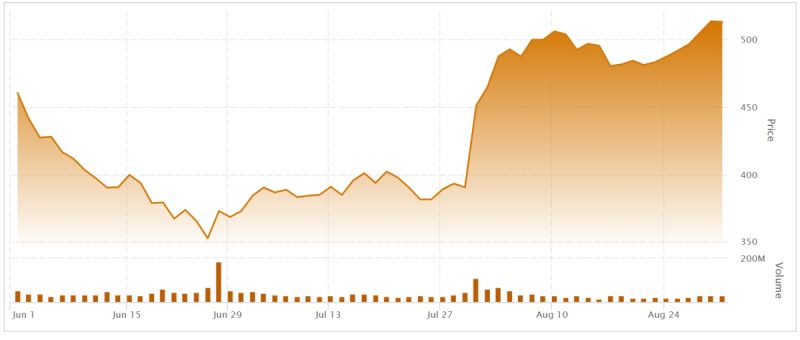
- Microsoft stock (NASDAQ:MSFT) opened trading at US$510.45
Microsoft’s (NASDAQ:MSFT) new Xbox Disc-to-Digital program lets players turn physical games into digital licenses, but the revocable ownership model is already sparking debate about what it really means to own a game.
Microsoft offered up more details on its new initiative that could reshape the relationship between physical and digital game ownership, revealing its Disc-to-Digital program at Gamescom just six weeks after Sony confirmed plans to stop manufacturing PlayStation game discs after January 2028.
The feature, which enters testing for Xbox Insiders on August 31, allows players to convert supported Xbox game discs into digital entitlements that can be used across Microsoft’s gaming ecosystem. Thousands of Xbox One and Xbox Series X|S titles will be supported at launch, with more expected to be added over time.
This article is a journalistic opinion piece that has been written based on independent research. It is intended to inform investors and should not be taken as a recommendation or financial advice.
The announcement arrives at a pivotal moment for the industry, as publishers and platform holders continue shifting toward digital distribution while facing growing scrutiny from players concerned about ownership rights and game preservation.
There has been some good buzz for Microsoft out of Gamescom and MSFT stock had a healthy run last week, up more than 6 per cent in that time and the past three months has seen a decent rally for the stock, to the tune of an 11.5 per cent climb.
Turning discs into digital games
Microsoft’s pitch is straightforward. Players insert a supported Xbox One or Xbox Series X disc into their console, launch the game, and claim a digital entitlement tied to their account.
Once redeemed, the game functions much like a standard digital purchase. Supported titles gain access to features including Xbox Play Anywhere and Xbox Cloud Gaming, allowing players to continue playing on multiple devices, including PCs, cloud-enabled hardware, and disc-free systems such as the Xbox Series S.
The program is possible because Xbox discs manufactured during the Xbox One era contain unique identifiers that allow Microsoft to verify specific copies and issue corresponding digital licenses.
For consumers, the benefit is obvious: a game purchased years ago as a physical copy can effectively become part of a modern digital library without requiring a second purchase.
The fine print: A revocable license
What makes the announcement unusual is the wording Microsoft has attached to many of those digital entitlements.
According to the company, most participating titles grant a single revocable digital license. The license becomes associated with the account and console that redeemed it, but it is not permanent in the traditional sense.
If another player later inserts that same physical disc and claims the entitlement for themselves, the original digital license is revoked.
That is the key thing to remember.
Without some form of revocation mechanism, a single physical game could theoretically generate unlimited digital copies simply by being passed between friends, sold repeatedly, or circulated through the second-hand market.
Microsoft’s approach attempts to preserve one of physical gaming’s defining characteristics: ownership transfers with the disc itself.
In practical terms, that means the digital entitlement effectively follows the physical copy. Selling the game could also mean giving up access to the associated digital version.
The system preserves resale value, something many physical-media advocates have long argued is a key advantage over purely digital purchases. At the same time, it introduces a new wrinkle into the concept of digital ownership. Games that appear in a player’s digital library may no longer be permanently theirs if the associated disc changes hands.
The biggest unanswered question
How will Microsoft enforce those revocations?
For the system to function, the company must have a method of determining when ownership of a physical disc has changed. Microsoft has not disclosed the details of any verification process or how frequently players may need to connect online to maintain access to redeemed licenses.
That unanswered question has already drawn attention from preservation advocates and players who prioritize offline gaming.
Traditional physical discs can generally be played regardless of a user’s internet connection or the status of platform servers. A digital entitlement linked to ongoing verification could potentially depend on Microsoft infrastructure remaining available.
The concern is not merely theoretical. During a major Xbox network outage in July, some users reported issues launching certain games, reigniting long-standing discussions about the industry’s growing dependence on online authentication.
Until Microsoft reveals more details about the verification process, the impact on long-term ownership and offline play remains uncertain.
Microsoft and Sony move in different directions
There is some fun timing with this announcement that just feels like something out of the “good ol’ days” of the 1990s Sega vs Nintendo era.
Just six weeks earlier, Sony confirmed it would cease manufacturing PlayStation game discs for titles released after January 2028, a decision widely interpreted as a major step toward an all-digital future.
Microsoft’s Disc-to-Digital initiative does not reverse the broader industry trend, but it at least it offers a choice. Rather than abandoning physical purchases entirely, the company is presenting a path that attempts to bridge the gap between physical ownership and modern digital convenience.
Microsoft has framed the program as part of a broader commitment to game preservation, arguing that maintaining access to purchased titles becomes increasingly important as technology evolves.
The contrast is difficult to ignore. While one platform holder is preparing for a future without new game discs, the other is introducing a system designed to extend the usefulness of discs already sitting on players’ shelves.
There are rumours coming out of Gamescom that Microsoft’s Disc-to-Digital move has made Sony begin to realize that its plan to move games to strictly digital in a year and a half is premature. How much stock you should put in that should be equal to how many Xbox games you see in a store versus PlayStation 5 discs.
Sony’s conduct on its digital storefront had even sparked a class-action lawsuit. Microsoft is fending off a number of suits over its numerous offerings from AI to 365 right now, but so far, no one is suing over Xbox … sorry, XBOX.
The bottom line on the issue is that Sony management has already told investors that shifting to digital won’t have a negative impact on its business and the factory that makes optical components for Blu-ray players is being recommissioned.
Why are publishers interested?
The program may be equally attractive to publishers.
According to a leaked roadmap reported earlier this month, Microsoft is handling the engineering, certification, and support requirements for Disc-to-Digital participation. Publishers are largely limited to opting in and defining commercial terms.
That lowers the barrier to entry considerably.
For publishers with extensive back catalogues, the initiative offers new life for older releases. Titles that have been sitting dormant on retail shelves can suddenly become playable on PCs, handheld gaming devices, and cloud-enabled platforms without requiring costly ports or remasters.
The arrangement also creates new opportunities for re-engaging players with legacy content while expanding audiences beyond the console ecosystem where those games originally launched.
Preservation efforts meet corporate reality
The announcement does, however, come with an element of contradiction.
Microsoft has spent much of the year promoting preservation initiatives while simultaneously reducing parts of the Xbox organization. Among the affected employees was the lead architect behind Xbox’s backwards compatibility efforts, long considered one of the company’s most consumer-friendly gaming programs.
Meanwhile, the leaked roadmap that first referenced Disc-to-Digital also allegedly outlined future plans involving original Xbox titles on PC and expanded Xbox 360 compatibility for modern hardware in 2027 and 2028. The unique codes found in each Xbox One and Series disc that make their digital clones possible weren’t in effect for the previous generation, so that will require a unique approach.
Optimistically, Disc-to-Digital appears to be part of a larger preservation strategy aimed at extending the lifespan of older software, even as questions remain about the resources devoted to maintaining those initiatives. Less optimistically, it’s a means to retire a medium to pasture.
For now, Xbox Insiders will be the first to test Microsoft’s vision when the program launches on August 31. Everyone else will have to wait and see whether Disc-to-Digital becomes a meaningful step forward for preservation, or simply another milestone in gaming’s gradual transition from physical ownership to digital access.
Let’s get physical
Microsoft Corp. develops and supports software, services, devices, and solutions. The company’s segments include productivity and business processes, intelligent cloud, and more personal computing.
Microsoft stock (NASDAQ:MSFT) opened trading at US$510.45 and has risen more than 5 per cent since the beginning of the year.
Join the discussion: Find out what the Bullboards are saying about Microsoft and check out Stockhouse’s stock forums and message boards.