
The trillion-dollar health food market is expected to post a 9.4 per cent compound annual growth rate through 2030, reflecting consumers’ growing awareness of the direct line between diet and wellbeing.
This article is disseminated in partnership with food technology company Eshbal Functional Food Inc. It is intended to inform investors and should not be taken as a recommendation or financial advice.
The North American market is a particular highlight, with the US and Canada combining for about US$200 billion in purchasing power and a leading 35 per cent share of the global gluten-free market – representing a more than US$3 billion opportunity – all of it propelled by consumers’ increasing health consciousness and willingness to pay a premium for better-for-you products.
This health food tailwind, in turn, is creating the ideal circumstances for businesses in the sector to capitalize by strategically identifying pockets of demand, translating them into value-added products and creating shareholder value through positive news flow and improving income statements.
Introducing Eshbal Functional Food
Eshbal Functional Food (TSXV:ESBL), market capitalization C$12.95 million, stands out as a worthy consideration for investors in the gluten-free space thanks to a differentiated product portfolio, a track record of profitable growth and a robustly qualified leadership team at the helm.
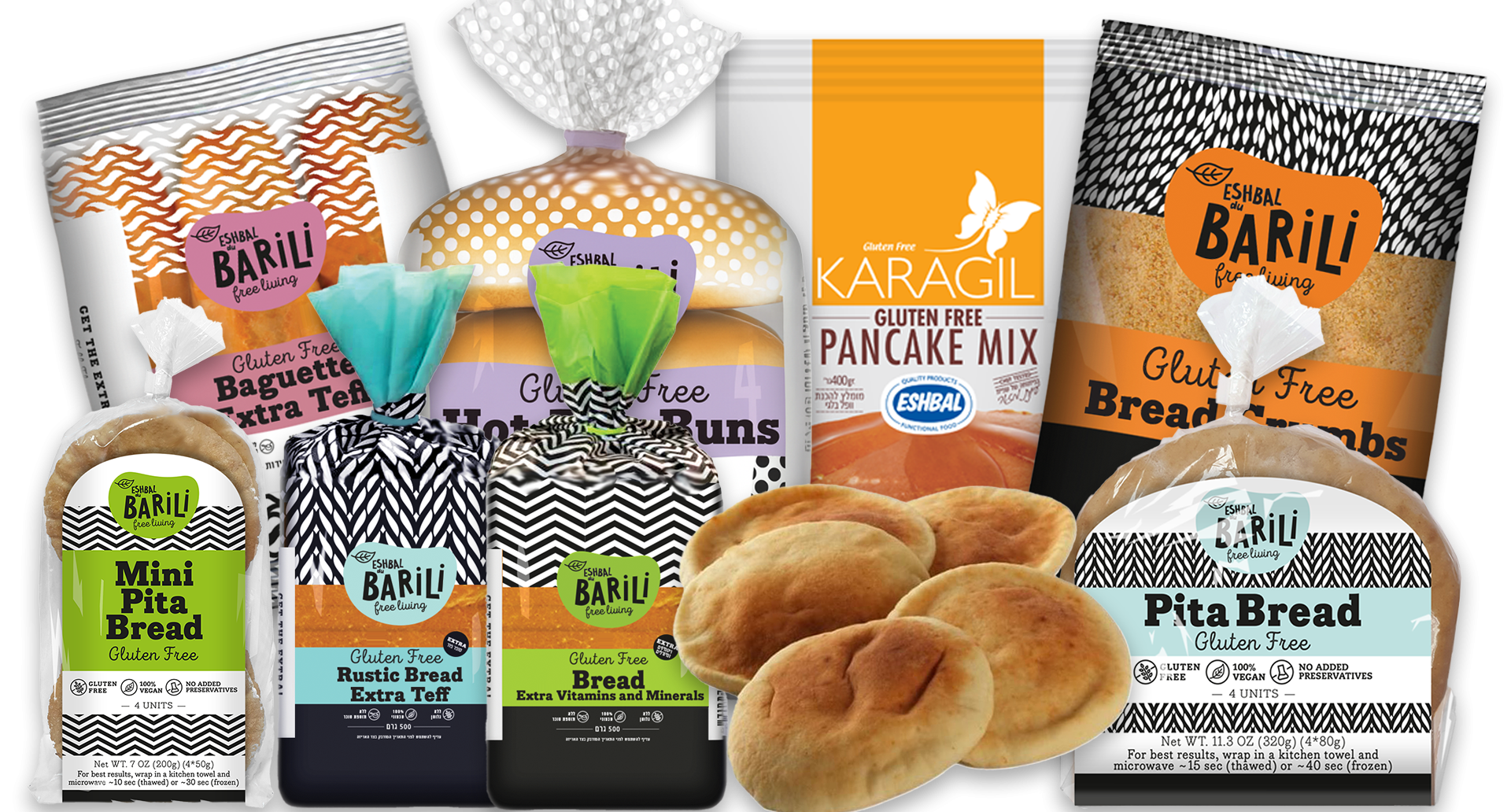
Eshbal, with roots dating back to 1940, stocks more than 80 “Better for You” products in segments such as vegan, low-carb, supplemented, gluten-free and more, each optimized for taste, texture and nutrition, offering health food consumers a diverse selection of alternatives to sugary, additive-laden products in the marketplace. Categories Eshbal competes in include breads, rolls, cakes and cookies under the Barili brand, gluten-free baking mixes under the Caragil and Confectioner brands, in addition to sugar substitutes, protein supplements, cereals, spreads and syrups.
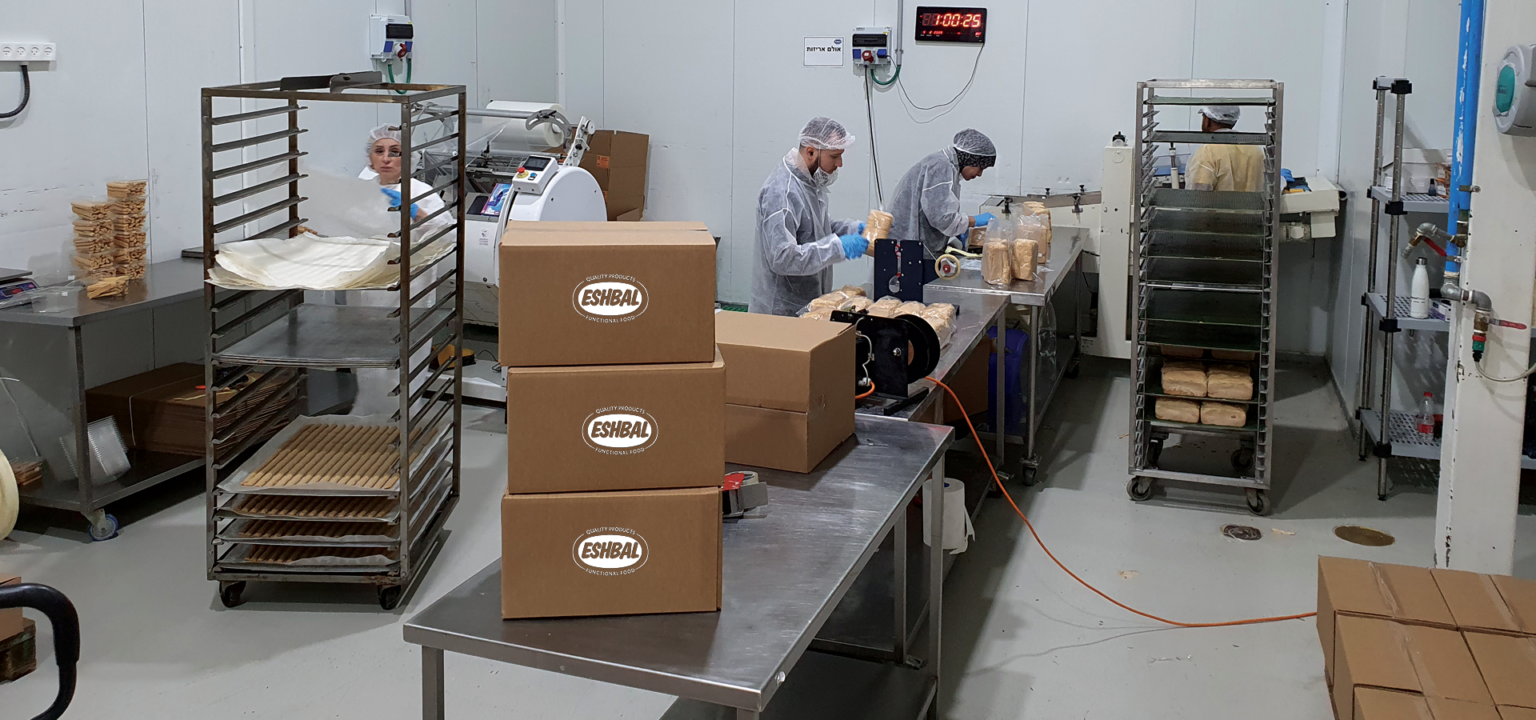
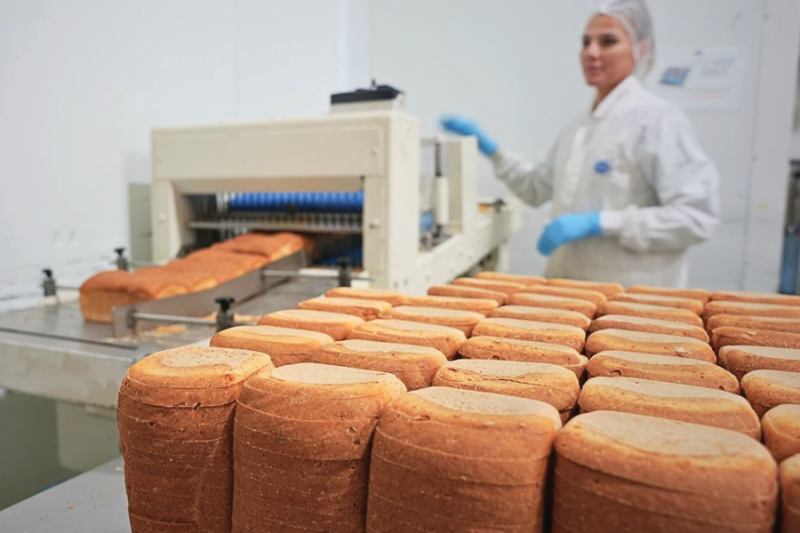
Operations, now vertically integrated, including proprietary methods, an in-house laboratory staffed by a quartet of food engineers and a 60,000 square-foot production facility, have afforded the company the flexibility to respond to market dynamics on its own terms, creating quality solutions that have been reflected in an increasingly efficient business.
Revenue came in at US$11.2 million in 2023, supported by a gross margin of 21 per cent, improving to US$11.4 million and 23 per cent in 2024, with a forecasted jump to US$14 million and 24 per cent in 2025, demonstrating the benefits of scale in action and leadership’s ability to deliver growth in line with increasing profitability.
From this position of strength, Eshbal has its sights set on optimizing its brand portfolio for organic growth, expanding its offering to North America, as well as acquiring companies in the artisanal, gluten-free and “Better for You” market, all with the goal of increasing its leverage to baked goods, which commands a leading more than 30-per-cent share of the global gluten-free market and ranks as the largest and fastest-growing gluten-free segment in North America, reflecting the rising number of consumers finding a happy medium between health and lifestyle.
A momentous 2025
After listing on the TSX Venture Exchange in April 2025, Eshbal kicked off its expansion efforts with record revenue and gross profit margins in Q1 2025, coming in at C$3.44 million and 29 per cent of sales, respectively, plus a 24 per cent jump in operating income, driven by Kosher for Passover-fueled demand.
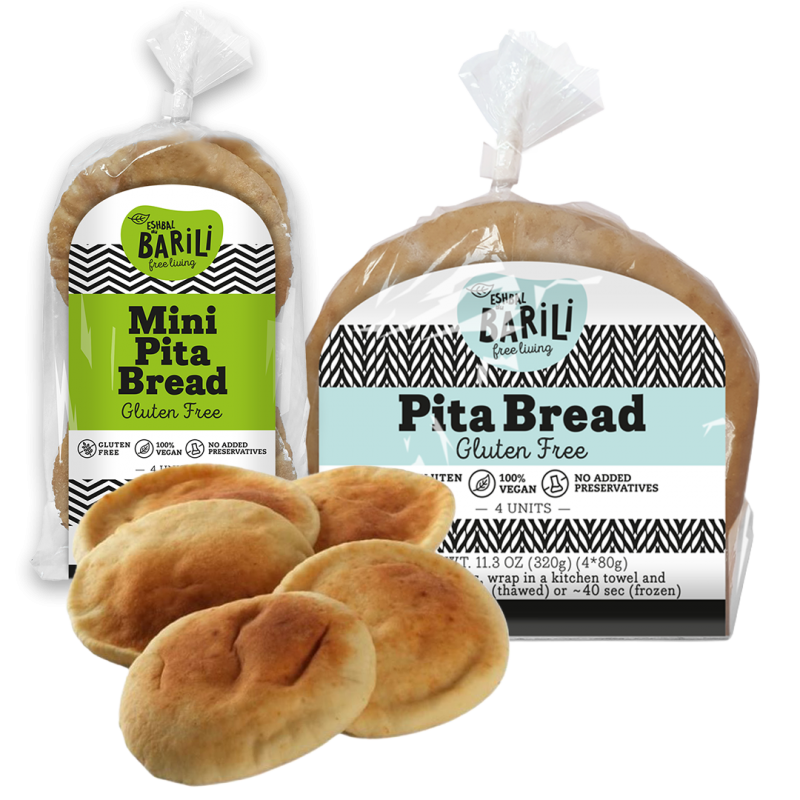
This was followed by the formalization of its US market ambitions in June, intending to locally manufacture and distribute its plant-based, gluten-free Pita Bread, building upon positive feedback from a restaurant group in California that has been importing the bread for more than a decade. Eshbal’s Pita Bread will initially be available in frozen format, while the company advances an ambient-temperature product that showed months of stable shelf-life during initial testing.
Eshbal kept the positive news flowing in July, signing a letter of intent to acquire a 55-per-cent stake in Dare to Be Different Foods (D2BD), a New York-based food company whose low-carb, gluten-free and clean-ingredient alternatives to traditional comfort foods, made primarily from broccoli and cauliflower, are widely available online and in more than 300 grocery stores, including Walmart, throughout New York, New Jersey and Connecticut.
Concurrently, the company appointed Avi Markus as chief commercial officer for North America, reinforcing its go-to-market strategy with his more than 25 years of experience in health food, grocery, e-commerce and consumer-package goods, including as senior vice president of North America for Else Nutrition (TSX:BABY) and a senior brand management and marketing executive for the likes of Unilever Canada and Shoppers Drug Mart.
Markus complements an existing leadership team that is thoroughly familiar with Eshbal’s target markets and highly aligned with shareholders, owning 49.7 million of the 68.9 million shares outstanding, including Tomer Bar-Meir, chief executive officer, whose more than 18-year track record in the gluten-free industry focuses on Israel and North America; Gadi Levin, chief financial officer, who brings more than 20 years of accounting experience with public companies in Canada, Israel and the United States; and a board of directors boasting more than a century of accomplishments in bakery, frozen food, food M&A, international trade and gluten-free manufacturing.
Eshbal kept things rolling in Q2, posting continued YoY growth in revenue and gross profits, maintaining positive operating income of US$204,000 on a year-to-date basis, despite one-time costs associated with going public.
The company parlayed its solid financials and diversified product lines into a sales and marketing deal in November with Active Marketing Group (AMG), a Florida-based brokerage agency with almost 40 years of experience placing global food brands with US retailers, spanning grocery, mass, club, natural, drug and specialty channels, leveraging established relationships with Walmart, Target, Publix, CVS, Sam’s Club and Meijer, among others.
Under the deal, AMG will represent Eshbal’s Barili-branded products, including the company’s Pita Bread, which Todd Grisoff, president of AMG, referred to as “the closest experience we’ve seen to traditional bread in a gluten-free format — both in taste and texture,” paving the way for a full-fledged US rollout of Eshbal’s products.
Eshbal’s scaling entry into the North American health food and gluten-free market added another milestone in November, signing a definitive agreement with D2BD, amended in January 2026, for US$788,000 in cash and shares, onboarding a loyal following and synergistic product lines squarely aligned with its target markets.
Then came Q3, highlighted by 16 per cent YoY revenue growth, a 37.2 per cent spike in gross profit – rising from US$1.982 million in 9 months of 2024 to US$2.721 million in 9 months of 2025 – increasing gross margins from 22.8 per cent to 27 per cent of revenues. An operating income of US$127,000 year-to-date, spearheaded by a more than 50 per cent rise in net profits from Eshbal Israel, the parent company’s operating subsidiary, adds conviction in leadership’s ability to generate financially efficient growth that translates into shareholder value.
Eshbal rounded off 2025 with a resolute example of this growth in action, launching new gluten-free products under its Caragil and Barili brands throughout the Israeli market – including flavored instant cream powders, crackers and crumble-style topping – furthering the company’s playbook of monetizing consumer preferences, informed by in-depth market analyses, with the uncompromising focus on quality and taste enabled by vertically integrated production.
A highly prospective 2026
Eshbal’s plan to expand its business playbook to North America in 2026 began with a flourish, launching gluten-free production out of Queen Street Bakery in Toronto, where several successful trial runs position the company for initial commercial Pita Bread production in Q1, with additional Eshbal products expected to follow.
The bakery, strategically located near the US Northeast, benefits from supply chain efficiency, including the favorable sourcing of ingredients, enabling economical distribution as far as California. Planning for an online and direct retail rollout is well underway, including a new Shopify store set to launch in Q1.
This rollout will include scaling Eshbal products through D2BD’s established channels, while strengthening the acquisition by leveraging Eshbal’s R&D and production expertise to optimize product quality, manufacturing efficiency and cost-effectiveness, including a planned submission to a top national retailer.
Queen Street will also produce product samples for broker-led retail and foodservice evaluations, including plans to launch Pita Bread sales to a US-based foodservice customer in late Q1. This is in addition to numerous ongoing discussions with interested parties under the guidance of AMG, whose continent-wide outreach will also include select D2BD products and explore potential partnerships with existing brands vying to expand into the gluten-free space.
Eshbal is also keen to add a Canadian broker to its team, with several prospects in the pipeline, to more wholistically pursue market share in the globally leading North American gluten-free market.
Concurrently, the company is pursuing DTC eligibility in the US, considering an uplisting to the TSX or dual listing in the US, and working to pair its North American outreach with additional fulfillment centers in both Canada and the US, all with eyes on creating a firmer foundation for the business to scale over the long term.
These all-encompassing initiatives combine into a positive outlook for 2026, anchored by US$20 million in projected revenue, at a growing gross margin of 26 per cent, advancing the company on its path to net income profitability while growing cash flow for future acquisitions. Eshbal intends to acquire at least one company per year and is progressing towards the purchase of a revenue and profit-accretive US target in the first half of 2026.
A gluten-free growth story only beginning to unfold
Given Eshbal’s momentous trajectory, backed up by products that taste as good as they are healthy, as well as a multi-year track record of revenue and margin growth – highlighted by an ascent into positive operating income in its first year as a public issuer – it’s no stretch to say that the company stands out among the broader asset class of micro-cap stocks, where ventures often have little more than an investor deck and a dream to work with.
This makes Eshbal stock’s 5 per cent loss since inception in April 2025 and market capitalization below 2024 revenue seem like textbook instances of market misperception, where a share price fails to accurately reflect future potential. And based on the company’s plans over the next two years, covered in its corporate presentation, investors will benefit from a multitude of catalysts to close this price-potential dislocation as North American expansion shifts into full force:
- First, in 2027, with revenue projected at US$31 million, at a 28 per cent gross margin, driven by planned scaling of retail and food-service distribution through new product launches, new acquisitions and the transition of select production to owned or acquired facilities.
- Then, in 2028, with revenue projected at US$40 million, at a gross margin of 30 per cent, propelled by a focus on strategic brand and category expansions, facilitated by additional acquisitions, continually improving the company’s ability to marry market share with margin expansion and improve its visibility among institutional investors.
The company ties its value proposition together with internally generated cash flow, which is positioned to increase over the coming quarters, now that one-time listing-related costs are out of the way, plus the flexibility of having only 68.9 million shares outstanding, which will allow it to raise capital opportunistically and be selective about the partners it writes into its growth story.
Taken as a whole, Eshbal offers investors exposure to a well-rounded, high-conviction thesis to leverage tailwinds in health food and gluten-free alternatives, with the added benefit of a discounted entry point, reflecting the early-stage of the company’s data-driven path towards wider market awareness.
Join the discussion: Find out what investors are saying about this food technology stock on the Eshbal Functional Food Inc. Bullboard and make sure to explore the rest of Stockhouse’s stock forums and message boards.
Stockhouse does not provide investment advice or recommendations. All investment decisions should be made based on your own research and consultation with a registered investment professional. The issuer is solely responsible for the accuracy of the information contained herein.
For full disclaimer information, please click here.