
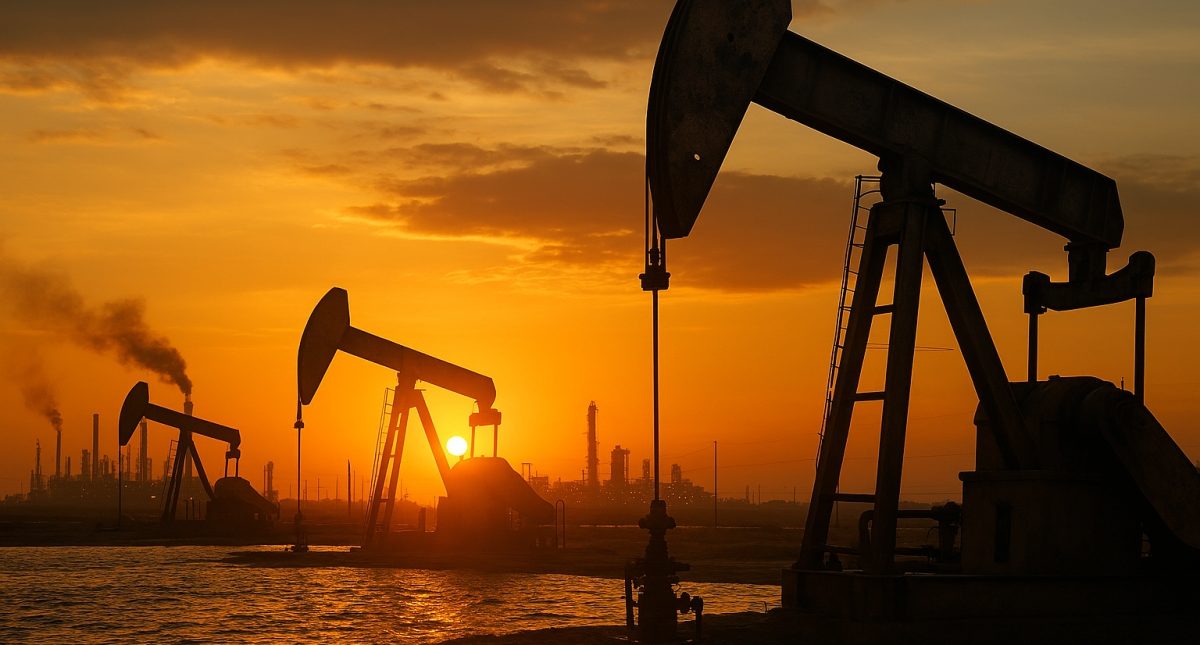

- Crude oil prices surged past USUS$100 per barrel for the first time in nearly four years, briefly approaching US$120 amid market turmoil
- The Strait of Hormuz has been effectively shut down due to threats and attacks, disrupting roughly 20 per cent of global oil supply and triggering a historic supply shock
- Middle Eastern producers, facing full storage and blocked export routes, have been forced to cut or slow oil production, intensifying global price pressures
- U.S. gasoline prices have risen sharply—up about 50 cents in a week to US$3.48 per gallon—with analysts warning further increases are likely
A historic disruption to global oil production and shipping has sent crude prices surging past the US$100-per-barrel mark for the first time in nearly four years, marking one of the most dramatic single‑day moves in modern energy trading history.
The shock, driven largely by the war involving Iran and the resulting paralysis of the Strait of Hormuz, is rattling financial markets, straining fuel supply chains, and raising the prospect of sustained energy inflation.
On Monday, both U.S. and Brent crude futures leapt more than 11 per cent, with prices briefly nearing US$120 a barrel overnight before easing slightly following reports that Western nations were discussing coordinated steps to alleviate pressure on global fuel markets. Even with that pullback, the spike remains among the largest dollar‑denominated increases ever recorded in a single session.
The last time oil crossed the triple‑digit threshold was in 2022 during the early fallout from Russia’s invasion of Ukraine. Prices subsequently fell and had been subdued—hovering near US$60 a barrel—prior to the U.S.-Israeli strikes on Iran that reignited fears of a global energy crisis.
Following this issue is like tracking a moving target. Since this was written, oil and gas prices have fallen after U.S. President Trump claimed the war in Iran would end “very soon”, but whether that is the case, remains to be seen. The U.S. Secretary of Energy lied about the U.S. Navy escorting an oil tanker through the Straight of Hormuz, which caused oil prices to swing.
A chokepoint under fire: The Strait of Hormuz
At the centre of the disruption is the Strait of Hormuz, a 33‑km‑wide passage through which roughly 20 per cent of the world’s oil normally flows. Iran’s threats against tankers navigating the waterway have effectively frozen shipping traffic, leaving hundreds of vessels stranded and sharply reducing oil movements out of the Gulf. Analysts describe the stoppage as the largest oil supply shock in modern history, with an estimated 20 million barrels per day disrupted—an unprecedented figure that dwarfs outages from the 1970s oil crises.
The standstill has produced a cascading effect across regional producers. With oil unable to leave the Gulf, storage has rapidly filled, forcing suppliers—including Iraq, Kuwait, and the United Arab Emirates—to curtail output. Some facilities have already reached maximum capacity, leaving producers with no choice but to slow down production.
Security risks have intensified these pressures. Reports of Iranian drone and missile strikes on tankers and energy infrastructure from Saudi Arabia to Qatar have added another layer of volatility, deepening uncertainty for shippers and insurers.
Gasoline prices rise as supply tightens
As crude prices have surged, gasoline prices in the United States have followed suit, rising roughly 50 cents in a week to reach a national average of US$3.48 per gallon, the highest level seen since the 2022 energy shock. Some states, particularly on the West Coast, are seeing averages above US$5 per gallon. Analysts warn that U.S. gas prices could rise an additional 20 to 50 cents in the coming days if disruptions persist.
Diesel prices—more sensitive to supply constraints and essential for freight and agriculture—have climbed even faster, jumping nearly 89 cents in a single week.
Market response: Panic, planning, and volatility
Futures traders have been quick to reprice risk. U.S. crude surged 35 per cent last week alone, the biggest weekly increase since futures trading began in 1983, reflecting deepening concerns that the outage may last longer than initially expected. Some forecasts warn that if the Strait remains closed, Brent could climb to US$135 per barrel within months.
Western governments appear to be preparing for possible emergency measures. The G7 finance ministers have begun discussing a coordinated release of strategic oil reserves, though no decisions have been finalized. Even the suggestion of such action helped temper the overnight price surge, though not by much.
Energy analysts caution that markets may now be entering an “unprecedented energy crisis,” noting that global spare capacity—a key buffer in supply disruptions—has largely evaporated under the weight of storage limits and shipping paralysis.
How long could the shock last?
Despite the turmoil, energy economists emphasize that the world is not lacking oil in absolute terms. Before the conflict, global markets were oversupplied, and futures prices for 2027 and 2028 deliveries remain in the high US$60s, suggesting traders expect long‑term supply to normalize.
However, near‑term conditions depend heavily on geopolitical developments. The war with Iran has already lasted longer than many traders anticipated, and the lack of clarity about whether the Strait of Hormuz will reopen continues to drive risk premiums. Even a “soft closure”—where shipping is technically possible but commercially dangerous—could keep oil markets volatile for weeks or months.
For now, the combination of disrupted transit routes, damaged infrastructure, and reduced output has created the most severe oil supply shock in decades. Whether the market stabilizes will hinge on diplomatic negotiations, military developments, and the willingness of governments to deploy emergency reserves.
Join the discussion: Find out what the Bullboards are saying about oil and gas then check out Stockhouse’s stock forums and message boards.
Stockhouse does not provide investment advice or recommendations. All investment decisions should be made based on your own research and consultation with a registered investment professional. The issuer is solely responsible for the accuracy of the information contained herein. For full disclaimer information, please click here.