
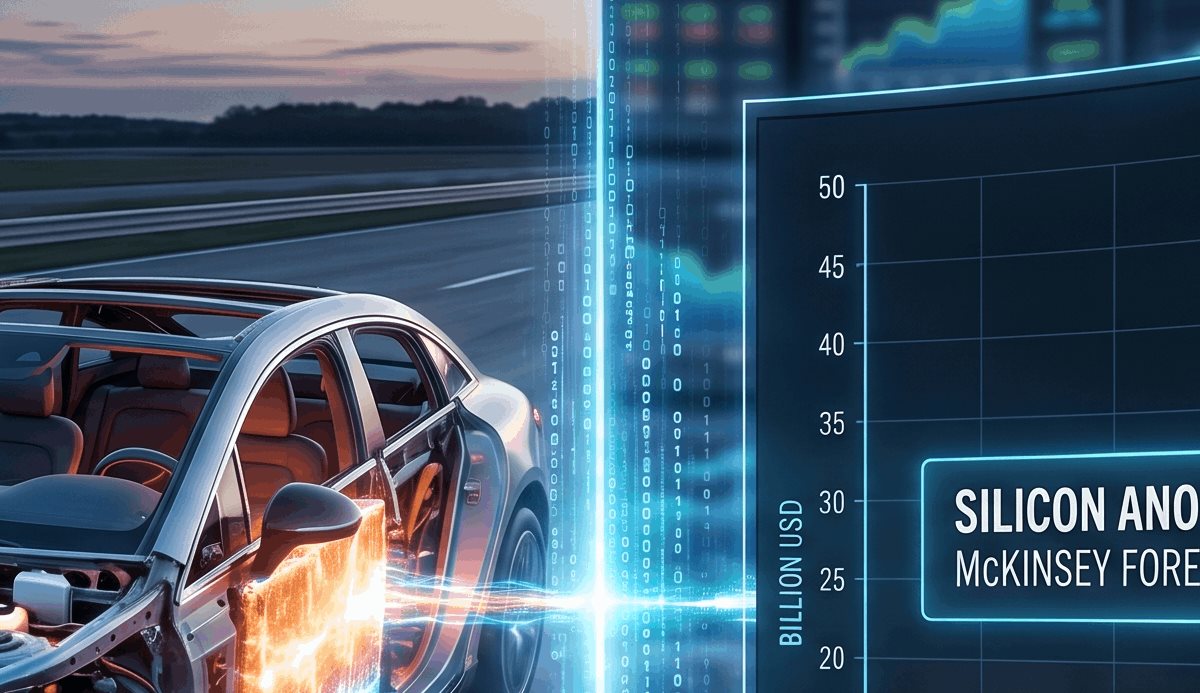

Mercedes-Benz: Technological Breakthrough Thanks to Silicon
Mercedes-Benz is consistently pursuing its “Electric Only” strategy and seeking innovations to further increase the energy density of its batteries for the next generation of EQ models. A key component of this is the collaboration with Sila Nanotechnologies. Sila supplies an innovative silicon anode material that enables a 20% to 40% increase in energy density to over 800 Wh/l at the cell level. The first application of this technology is planned for 2026 in the electric G-Class. By using these anodes, the vehicle’s range could increase from the current approximately 470 km to over 650 km—an increase of about 37%. In addition, charging times will be drastically reduced: charging from 10% to 80% is expected to take just 20 minutes. Mercedes-Benz is thus setting new standards in range and efficiency and aims to stand up to the Chinese competition.
HPQ Silicon Makes Highly Efficient Battery Materials Possible
HPQ Silicon occupies a crucial position for industrial companies that rely on batteries—the reason: the Canadians supply the anode material of the future. HPQ Silicon possesses patented reactor technology to produce cost-effective silicon anode materials and high-quality pyrogenic silica. These materials enable industrial companies to significantly increase battery performance compared to conventional graphite anodes. Just last month, HPQ Silicon reported groundbreaking results. The GEN4 silicon-based anode materials achieved a capacity of over 7,000 mAh in industrial cells. By comparison, conventional graphite cells typically deliver only 4,800-5,000 mAh. This presents an opportunity for investors, as HPQ produces high-quality silicon solutions at a fraction of the energy cost of conventional processes, thereby making the diverse strategic goals of companies across various industries achievable. In addition to the automotive industry, HPQ has already secured initial orders from European drone manufacturers that rely on the high energy density of GEN4 cells.
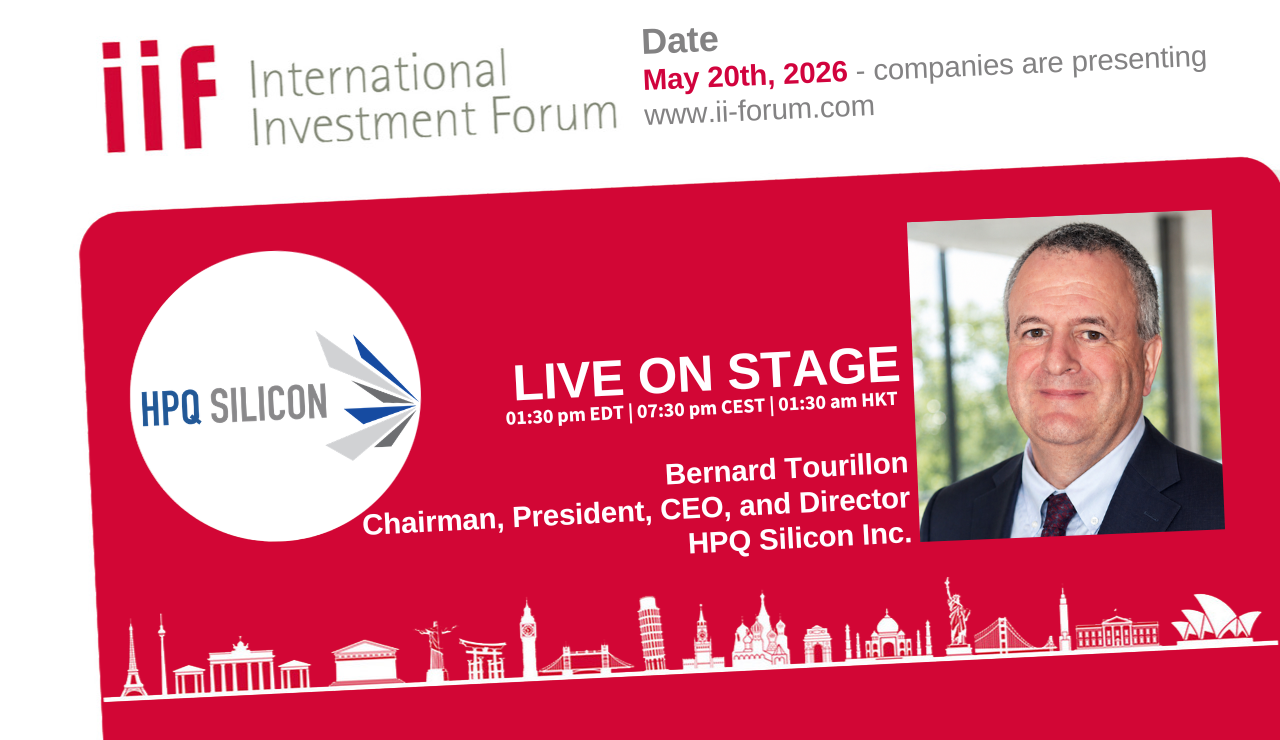
In addition, HPQ Silicon is accelerating the market launch of its patented Fumed Silica Reactor, which provides a technological solution to the growing demand for high-quality fumed silica. This material is of great importance as an additive in batteries, plastics, and pharmaceutical products. The company’s proprietary plasma process enables production in a single step directly from quartz, reducing carbon emissions by up to 60% compared to conventional chemical processes. With a planned joint venture for a plant with a capacity of 1,000 tons per year, HPQ demonstrates scaling potential that extends beyond the battery market alone. Analysts at Fundamental Research see significant upside potential for HPQ shares thanks to this versatility and the technological validation provided by initial commercial orders.
Cenovus Energy: It Will Not Work Without Energy
In addition to high-performance batteries, the energy supply for production is also crucial. The energy company Cenovus Energy has invested heavily in low-carbon hydrogen projects and clean energy solutions in recent years. Cenovus is a core member of the “Pathways Alliance” and plays a leading role in making the Canadian province of Alberta a global hub for clean hydrogen. Among other initiatives, the company is supporting a CAD 1.3 billion hydrogen complex in Edmonton that will produce liquid hydrogen for the transportation sector and industrial applications. Through its commitment to clean energy, Cenovus enables industrial companies to meet the high, often self-imposed ESG requirements. For investors, however, the battery technology sector is likely to be more interesting.
Ambitious market expectations: The silicon era begins – is HPQ set to take off now?
McKinsey’s market expectations for the silicon market underscore the sector’s momentum. Analysts expect that luxury manufacturers like Mercedes-Benz can defend their market share through timely technological upgrades, provided they innovate in the area of battery performance. According to McKinsey, the global market for silicon anode batteries is poised for strong growth, expanding from USD 0.92 billion today to USD 45.30 billion by 2040.** For investors, this scenario offers multifaceted opportunities. If Mercedes-Benz remains the top choice for discerning buyers even 10 years from now, the stock is likely to benefit. Cenovus is also likely to be in a strong position given the growing energy demand. The greatest opportunities, however, lie with HPQ Silicon: the innovative Canadian company supplies a key raw material for several emerging industries. The stock, therefore, deserves a place on every watchlist.
Conflict of interest
Pursuant to §85 of the German Securities Trading Act (WpHG), we point out that Apaton Finance GmbH as well as partners, authors or employees of Apaton Finance GmbH (hereinafter referred to as “Relevant Persons”) may hold shares or other financial instruments of the aforementioned companies in the future or may bet on rising or falling prices and thus a conflict of interest may arise in the future. The Relevant Persons reserve the right to buy or sell shares or other financial instruments of the Company at any time (hereinafter each a “Transaction”). Transactions may, under certain circumstances, influence the respective price of the shares or other financial instruments of the Company.
In addition, Apaton Finance GmbH is active in the context of the preparation and publication of the reporting in paid contractual relationships.
For this reason, there is a concrete conflict of interest.
The above information on existing conflicts of interest applies to all types and forms of publication used by Apaton Finance GmbH for publications on companies.
Risk notice
Apaton Finance GmbH offers editors, agencies and companies the opportunity to publish commentaries, interviews, summaries, news and the like on news.financial. These contents are exclusively for the information of the readers and do not represent any call to action or recommendations, neither explicitly nor implicitly they are to be understood as an assurance of possible price developments. The contents do not replace individual expert investment advice and do not constitute an offer to sell the discussed share(s) or other financial instruments, nor an invitation to buy or sell such.
The content is expressly not a financial analysis, but a journalistic or advertising text. Readers or users who make investment decisions or carry out transactions on the basis of the information provided here do so entirely at their own risk. No contractual relationship is established between Apaton Finance GmbH and its readers or the users of its offers, as our information only refers to the company and not to the investment decision of the reader or user.
The acquisition of financial instruments involves high risks, which can lead to the total loss of the invested capital. The information published by Apaton Finance GmbH and its authors is based on careful research. Nevertheless, no liability is assumed for financial losses or a content-related guarantee for the topicality, correctness, appropriateness and completeness of the content provided here. Please also note our Terms of use.
Stockhouse does not provide investment advice or recommendations. All investment decisions should be made based on your own research and consultation with a registered investment professional. The issuer is solely responsible for the accuracy of the information contained herein. For full disclaimer information, please click here.