

Key Highlights
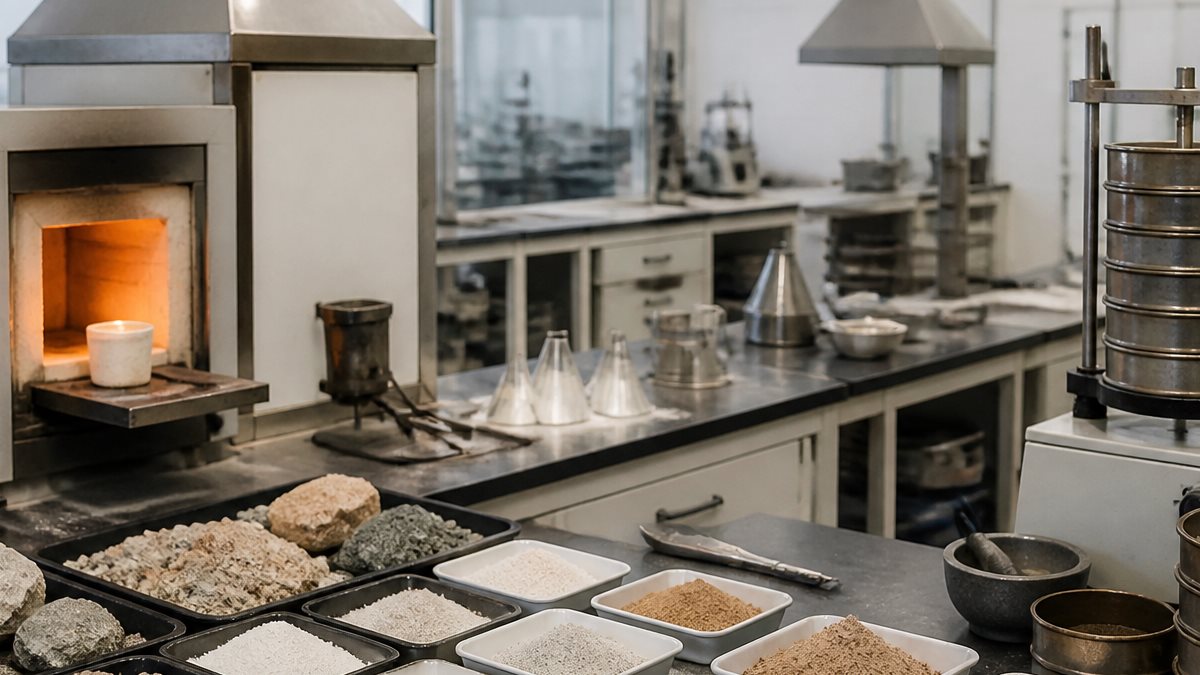
- Boron One reported lab study results on processing third-party borate feed materials into concentrates.
- The company identified calcination followed by classification as the preferred method tested.
- Reported concentrate grades reached up to 55.25% boron trioxide, with recoveries of about 59% to 74%.
Boron One Holdings Inc. (TSXV: BONE) reported results from a metallurgical study that evaluated alternative processing methods to produce commercial-grade borate concentrates from third-party borate materials, and said the results support further discussions about a potential strategic alliance with the supplier of the tested materials.
The company said the study found commercial-grade borate concentrates could be produced from feed materials across a broad range of boron grades, and that calcination followed by classification was the preferred concentration method for the material tested.
This article is a journalistic opinion piece which has been written based on independent research. It is intended to inform investors and should not be taken as a recommendation or financial advice.
In a summary of test results, Boron One reported that high-grade feed material with 42.06% boron trioxide (B2O3) produced a concentrate grading 55.25% B2O3 after beneficiation, with a recovery rate of 73.64%. For a medium test grade feed at 28.04% B2O3, the company reported a final concentrate grade of 50.84% B2O3 with a 71.55% recovery rate. For a low test grade feed at 19.75% B2O3, it reported a final concentrate grade of 44.81% B2O3 with a 59.0% recovery rate.
Boron One also said the study concluded concentrate grade could be adjusted by selecting the classification cut size to target specific market requirements, and that additional optimization opportunities may exist through modifications to calcination and classification parameters.
Chief Executive Officer Tim Daniels said, “Importantly, the study showed that feed materials ranging from approximately 20% to 42% B2O3 can be upgraded to concentrates containing approximately 45% to 55% B2O3, consistently achieving commercial-grade concentrate specifications.”
The company said it commissioned the study and that it was completed by Mineral & Mine Backfill Technologies, with laboratory testing performed by the Institute for Technology of Nuclear and Other Mineral Raw Materials. It also noted that Nenad Rakic, EurGeol, a Qualified Person under National Instrument 43-101, reviewed and approved the scientific and technical information in the release.
Boron One cautioned that metallurgical recoveries and concentrate grades presented in the study are based on laboratory and pilot-scale testing and may not be representative of actual operating conditions.
Read the original press release on Stockhouse.com.
s-17v5_h-18v5_i-19v5