

Key Highlights
- NurExone Biologic doubled exosome output by running two bioreactors in parallel.
- The company reported similar production time, consistency and comparable exosome quality.
- NurExone plans a modular manufacturing approach via Exo-Top and Made Scientific collaboration.
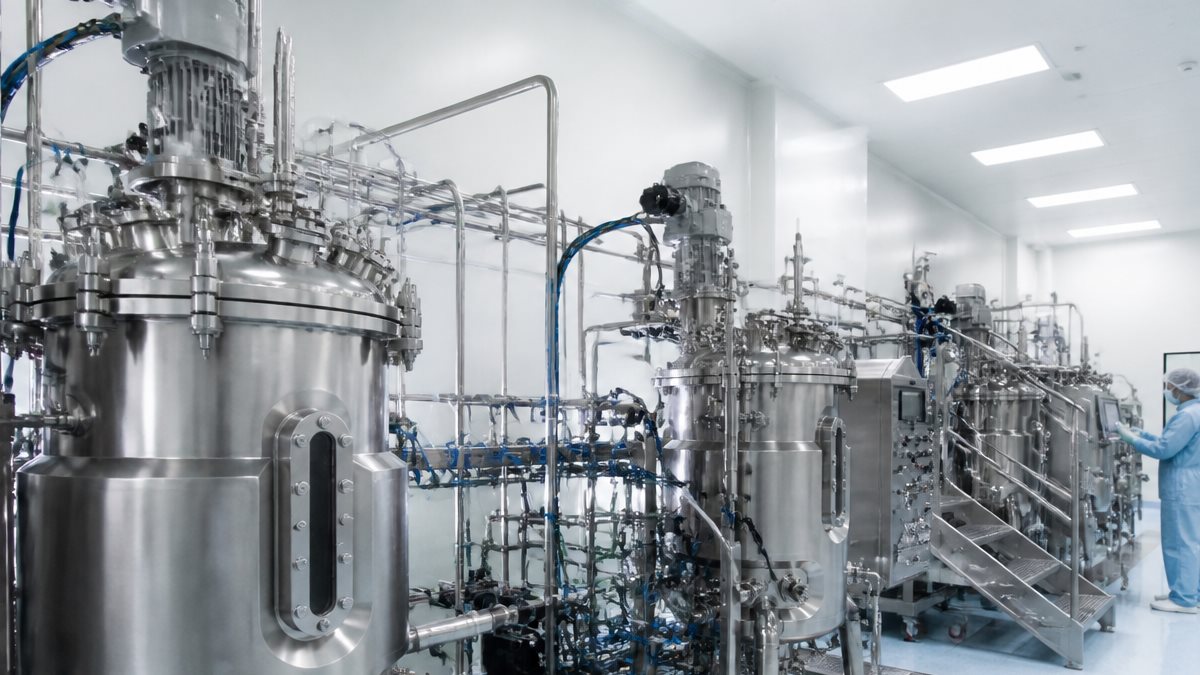
NurExone Biologic Inc. (TSXV: NRX) (OTCQB: NRXBF) (FSE: J90) reported it doubled exosome production by operating two bioreactors in parallel, while keeping overall production time the same and maintaining process consistency and comparable exosome quality.
The company described the work as part of its effort to build scalable exosome manufacturing through its wholly owned U.S. subsidiary, Exo-Top Inc., and a manufacturing collaboration with Made Scientific. NurExone said it is pursuing a “scaling out” approach that adds standardized production units in parallel rather than building larger bioreactor vessels, though it noted this is subject to successful validation and implementation.
This article is a journalistic opinion piece which has been written based on independent research. It is intended to inform investors and should not be taken as a recommendation or financial advice.
NurExone included a table comparing selected characteristics from two single-bioreactor runs (Run A and Run B) with a parallel run using two bioreactors. The company reported particle size ranges of 140–145 nm (Run A), 130–145 nm (Run B) and 135–140 nm (parallel run), and surface electrical charge of −44.75 mV, −45.6 mV and −49.8 mV, respectively. It also reported that identity markers (CD9, CD63, CD81, TSG101) were detected in all runs and that purity was greater than 95% in each run.
For anti-inflammatory activity, the table reported “<10?” for each run, with a footnote describing the measure as the particle concentration needed to reduce IL-6 by 50% and noting results are reported as thresholds rather than exact values. The company also reported “relative exosome yield” of 100% for each single run and 200% for the parallel run, described as above 1013 exosomes per single bioreactor.
In the release, NurExone Chief Executive Officer Dr. Lior Shaltiel said, “Demonstrating that two bioreactors can operate in parallel to double yield while maintaining process consistency strengthens our ability to respond to future demand and achieve market leadership.”
Separately, NurExone said it is pursuing a dual-track strategy that combines development of regulated exosome-based therapies with commercial opportunities for “naïve” mesenchymal stromal cell-derived exosomes through Exo-Top. The company identified ExoPTEN as its lead therapeutic candidate, which it is developing for acute spinal cord injury and optic nerve damage.
The original press release is available on stockhouse.com
s-5v2_h-6v2_i-7v2