
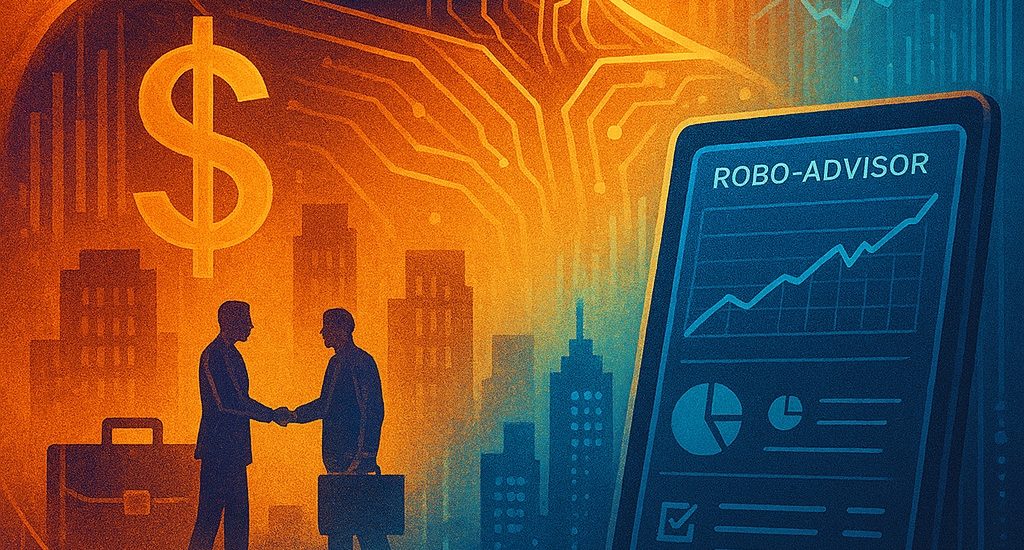

- Generative AI is shaking up portfolio management by enabling real-time risk analysis, predictive modelling, and dynamic asset allocation for smarter investment strategies
- AI-driven risk analysis adapts to market conditions, helping investors anticipate volatility rather than react to it
- Robo-advisors are democratizing wealth management, offering low-cost, personalized investment solutions and challenging traditional advisory models
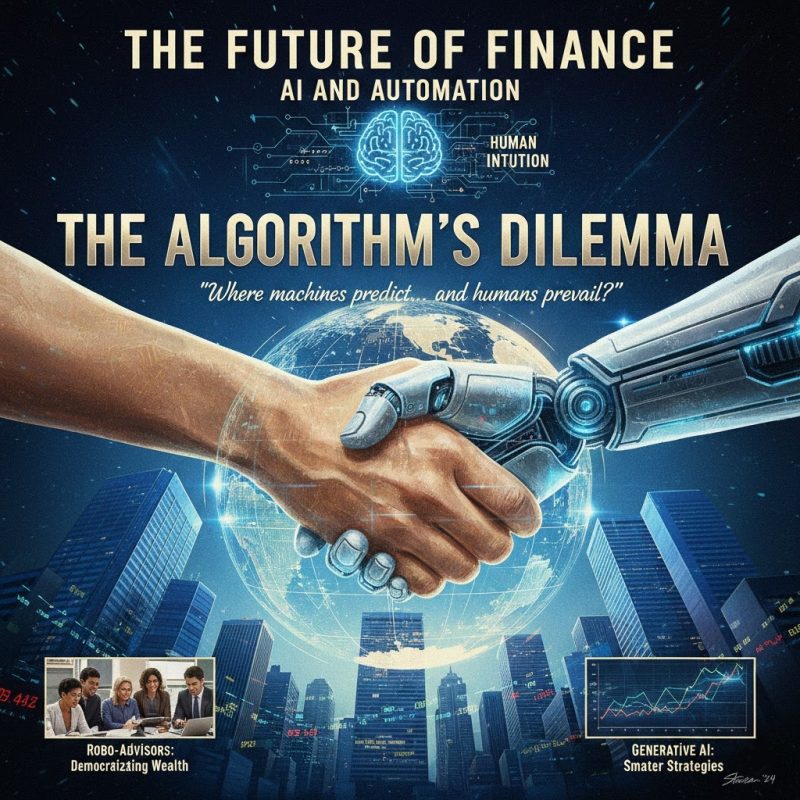
- The future of finance raises a critical question: Will machines dominate investing, or will human intuition remain essential for navigating market psychology?
The financial industry is undergoing a seismic shift, driven by advancements in artificial intelligence (AI) and automation. From portfolio management to wealth advisory services, these technologies are redefining how investors interact with markets, make decisions, and manage risk. Let’s explore two key trends shaping this transformation.
Generative AI: A game-changer for portfolio management and risk analysis
Generative AI is no longer confined to creating text or images—it’s now a powerful tool in financial strategy. By leveraging vast datasets, generative AI models can simulate market scenarios, stress-test portfolios, and even generate predictive insights that were previously unattainable.
This article is a journalistic opinion piece that has been written based on independent research. It is intended to inform investors and should not be taken as a recommendation or financial advice.
- Portfolio optimization: AI algorithms can analyze thousands of variables—macroeconomic indicators, historical price movements, and even sentiment data—to recommend asset allocations tailored to an investor’s goals and risk tolerance.
- Dynamic risk analysis: Traditional risk models often rely on static assumptions. Generative AI introduces adaptability, enabling real-time recalibration of risk profiles as market conditions evolve. This means investors can anticipate volatility before it strikes, rather than reacting after the fact.
The result? Faster, smarter, and more resilient investment strategies that give both institutional and retail investors a competitive edge.
The rise of robo-advisors: Disrupting traditional wealth management
Robo-advisors have moved from novelty to necessity. These automated platforms use algorithms to provide personalized investment advice at a fraction of the cost of human advisors. Their appeal lies in:
- Accessibility: Investors with modest portfolios can now access sophisticated strategies once reserved for high-net-worth individuals.
- Efficiency: Automated rebalancing, tax-loss harvesting, and goal tracking happen seamlessly, reducing human error and operational costs.
- Scalability: Firms can serve thousands of clients simultaneously without sacrificing personalization, thanks to AI-driven insights.
However, this democratization of wealth management comes with challenges. Traditional advisors must evolve—offering hybrid models that combine human judgment with AI precision—to remain relevant in an increasingly automated landscape.
Food for thought
As AI and automation continue to permeate finance, one question looms large: Will the future of investing be entirely machine-driven, or will human intuition remain indispensable? Technology can process data at lightning speed, but can it replicate the nuanced understanding of human behavior and market psychology? The answer may define the next era of wealth creation.
Stockhouse does not provide investment advice or recommendations. All investment decisions should be made based on your own research and consultation with a registered investment professional. The issuer is solely responsible for the accuracy of the information contained herein. For full disclaimer information, please click here.