

- New underground drilling by Lion One Metals (TSXV: LIO) returned multiple high-grade gold intercepts, including 168.25 g/t over 0.9 m
- Results from Zone 5 expected to inform mine planning within the next 6–12 months
- Over 4,100 m of infill and grade-control drilling completed at the Tuvatu Alkaline Gold Project
- Lion One Metals (TSXV: LIO) closed down 1.69 per cent at $0.29
Lion One Metals Limited (TSXV: LIO) has reported further high-grade gold assays from 4,180 metres of underground infill and grade-control drilling at its 100 per cent-owned Tuvatu Alkaline Gold Project in Fiji.
The latest program targeted the Zone 5 area of the mine, extending mineralization down-dip from current workings. All drilling was conducted from near-surface underground platforms, intersecting multiple narrow but very high-grade lodes up to 100 metres below existing levels.
Highlights from the new holes include:
- 78.71 g/t gold over 2.0 metres, including 168.25 g/t over 0.9 metres (hole TGC-0383)
- 175.43 g/t over 0.9 metres, including 267.95 g/t over 0.3 metres (TGC-0451)
- 29.70 g/t over 3.1 metres, including 179.52 g/t over 0.3 metres (TGC-0406)
- 30.50 g/t over 2.7 metres, including 45.78 g/t over 0.7 metres (TGC-0424)
Additional intercepts ranged from 8.37 g/t to over 175 g/t gold over narrow widths, with true widths yet to be confirmed. Lion One noted that these results occur within 60 metres of current underground development and have a strong probability of being incorporated into the mine plan within the next six to twelve months.
Zone 5 lies on the eastern side of the Tuvatu deposit, where steeply dipping north-south and northeast-southwest lodes converge at depth into what the company refers to as Zone 500 — interpreted as a feeder zone and believed to host the highest-grade mineralization on site. The system remains open below 1,000 metres.

Lion One operates its own geochemical laboratory and drilling fleet in Fiji, allowing continuous grade-control testing and faster turnaround on assays. The company emphasised that all samples were processed under IANZ ISO/IEC 17025:2017 laboratory accreditation and cross-checked through ALS Global in Australia.
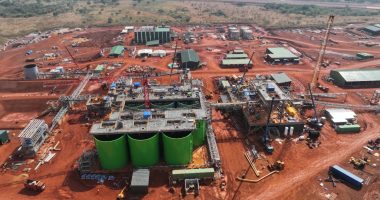
Tuvatu, located within Fiji’s Navilawa Caldera, entered initial operations in late 2023 and hosts an underground gold mine, pilot plant, and assay lab.
According to the company’s news release filed on SEDAR+ on October 9, 2025.
Shares of Lion One Metals (TSXV: LIO) closed down 1.69 per cent at $0.29 on the TSX Venture Exchange following the announcement.
Join the discussion: Find out what the Bullboards are saying about Lion One Metals and check out Stockhouse’s stock forums and message boards.
Stockhouse does not provide investment advice or recommendations. All investment decisions should be made based on your own research and consultation with a registered investment professional. The issuer is solely responsible for the accuracy of the information contained herein. For full disclaimer information, please click here.