
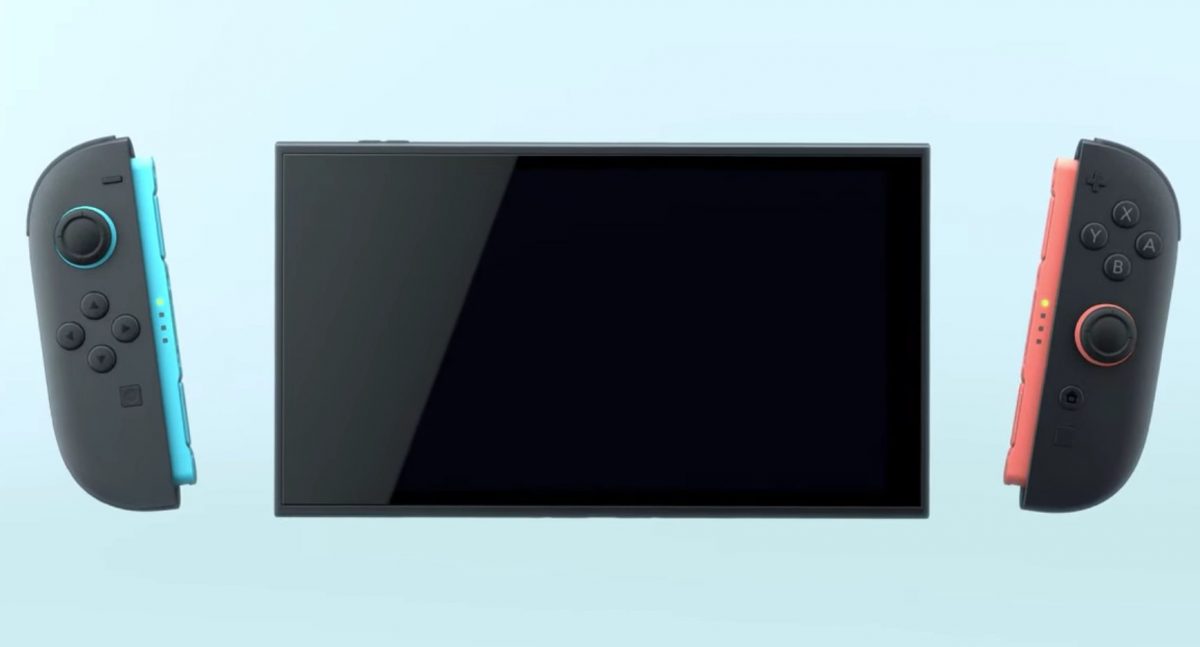

- Nintendo’s Switch 2 has been a record-breaking success, but it’s reportedly being sold at a loss, raising concerns about profitability
- Shareholders want Nintendo to increase prices as rising memory, shipping, and production costs squeeze profits and contribute to a five-month stock decline
- Nintendo is raising Switch 2 prices globally (including a $50 increase in Canada to $679.99), following similar moves by Microsoft and Sony amid ongoing industry-wide cost pressures
- Nintendo stock (OTC Pink:NTDOF) opened trading at US$44.00
Nintendo’s (OTC Pink:NTDOF) Switch 2 has quickly become one of the biggest console launches in gaming history, but despite strong consumer demand and record-setting sales, the company is now facing mounting pressure from an unexpected source: its own investors.
The Kyoto-based gaming giant has enjoyed a blockbuster rollout of the Switch 2 since its debut in June 2025, with the console reportedly achieving some of the fastest sales in industry history. The system has already sold nearly 20 million units, a clear sign of its widespread appeal among players worldwide. However, behind the scenes, growing concerns about profitability are complicating Nintendo’s success story.
Selling at a loss raises concerns
According to reporting from Bloomberg, Nintendo is believed to be selling the Switch 2 hardware at a loss globally, sparking anxiety among shareholders about the sustainability of its current strategy. The console launched at US$449.99 in the United States, while a region-locked version in Japan costs around ¥50,000 (roughly US$318), making that market particularly challenging from a margin perspective.
Investors are increasingly pushing the company to raise prices to offset rising costs. Analysts suggest that even a US$50 to US$100 increase might only reduce the financial burden rather than fully restore profitability per unit.
Unlike the original Nintendo Switch, which was profitable at launch, the company appears to have shifted strategy with the Switch 2—prioritizing rapid adoption and software ecosystem growth over hardware margins.
Rising costs squeeze margins
The pressure on Nintendo stems largely from escalating production expenses tied to global economic trends. Memory chips—an essential component for modern gaming hardware—have surged in price due to increased demand driven by AI data centres.
Not only that, but higher shipping costs and ongoing global trade disruptions have further strained Nintendo’s margins. These factors have combined to create a difficult pricing environment, with the company warning that such conditions are likely to persist over the medium to long term.
Nintendo itself has acknowledged these challenges, citing “changes in market conditions” and the broader global outlook as reasons for revising pricing.
Stock decline adds pressure
The financial strain is also reflected in Nintendo’s stock performance. Shares have declined for five straight months, marking the company’s longest losing streak since 2016.
Analysts warn that the downward trend could continue unless Nintendo improves profitability on its hardware. Hideki Yasuda of Toyo Research has suggested that raising the price of the Switch 2 would be necessary to reassure investors … and it appears he is right.
At the same time, some experts caution that higher prices could risk slowing consumer demand, especially as the console is still relatively early in its lifecycle.
Price hikes begin rolling out
Responding to these pressures, Nintendo has begun implementing global price increases. The company confirmed that the Switch 2 will see a $50 price hike in several regions.
In Canada, the console’s price will rise from C$629.99 to C$679.99, effective September 1, 2026. Similar increases are planned in the United States and Europe, where the system will move from US$/₤449.99 to US$/₤499.99.
Japan will see an earlier adjustment, with prices increasing starting May 25, 2026.
Nintendo also announced price hikes for other products, including its original Switch lineup and Switch Online subscriptions in Japan, though it has not confirmed whether subscription changes will extend to other regions.
Industry-wide trend
Nintendo is not alone in facing these challenges. The broader gaming industry has already seen similar moves from competitors.
Microsoft (NASDAQ:MSFT) raised prices for its Xbox Series consoles in March 2025, while Sony (NYSE:SONY) followed with price increases for the PlayStation 5 in April, citing similar pressures from rising component costs and global economic conditions.
Remember when consoles got cheaper as time went on? These industry-wide adjustments highlight a shift away from the traditional model of stable console pricing, as manufacturers grapple with inflationary pressures and supply chain constraints.
Balancing growth and profitability
Nintendo now finds itself in a delicate balancing act. On one hand, the Switch 2 is a clear commercial success, drawing strong demand and fueling software sales. On the other, the company must address investor concerns about profitability without undermining that momentum.
For consumers, the upcoming price increases may signal a new reality for gaming hardware—one where even wildly successful consoles are no longer immune to global economic forces.
As Nintendo moves into the second year of the Switch 2 lifecycle, the company’s ability to navigate these competing pressures will likely determine whether its latest console remains not just a sales hit, but a financial one as well.
About Nintendo
Nintendo Co., Ltd. is a multinational video game company that develops, publishes and releases video games and video game consoles.
Nintendo stock (OTC Pink:NTDOF) opened trading 6 per cent in the U.S. at US$44.00 and has lost 47 per cent since this time last year, and closed 8.4 per cent lower in Japan at ¥7,020.00 (C$67.04).
Join the discussion: Find out what everybody’s saying about this stock on the Nintendo Bullboard, and check out the rest of Stockhouse’s stock forums and message boards.